
Expanding from direct-to-consumer (DTC) sales into wholesale creates new opportunities for jewelry brands. However, selling through multiple channels also introduces inventory coordination challenges.
The same necklace, bracelet, or pair of earrings may be available through a brand's e-commerce store and one or more retail partners. When both channels need the same product, brands must decide how to allocate available stock without neglecting existing customers or wholesale commitments.
A successful jewelry distribution strategy requires more than having enough products in stock. It involves understanding demand, protecting confirmed orders, and planning replenishment across every sales channel.
Why Multi-Channel Jewelry Distribution Requires Inventory Planning
Selling through multiple channels changes how brands need to manage inventory.
DTC orders can fluctuate with website traffic, marketing campaigns, and seasonal shopping patterns. Wholesale orders, meanwhile, may involve larger quantities, scheduled deliveries, or replenishment requests from retail partners.
When both channels draw from the same inventory, allocating too much stock to one can leave the other unable to meet demand. The consequences may include website stockouts, delayed wholesale orders, and missed sales opportunities.
Brands should therefore distinguish between inventory that is physically available, inventory already reserved, and quantities committed to confirmed orders.
Distribution planning should account for current demand as well as upcoming obligations.
How to Allocate a Shared Jewelry SKU Between DTC and Wholesale
Consider a jewelry brand with 100 physical units of a particular necklace on hand. The product is sold through its own e-commerce store and supplied to a wholesale retail account.
Rather than dividing inventory automatically between the two channels, the brand should follow a structured allocation process.
1. Identify existing commitments. Determine how many units have already been sold to DTC customers and how many are committed to confirmed wholesale purchase orders.
2. Review channel demand. Examine recent website sales, the retailer's expected sales or replenishment requirements, and upcoming promotions or seasonal demand.
3. Establish an allocation plan. Separate confirmed order commitments from uncommitted stock. Decide how many remaining units should be provisionally allocated to DTC and how many to wholesale.
4. Protect confirmed orders. Do not treat inventory committed to an accepted order as freely available to another channel.
5. Document the decision. Record physical stock, confirmed commitments, provisional channel allocations, quantities, and the conditions that would trigger a review.
For example, assume 20 units are committed to DTC customers and another 30 to a confirmed wholesale order. This leaves 50 uncommitted units available for further allocation.
The brand might provisionally divide those 50 units as follows:
| Inventory allocation | Units |
| Physical stock on hand | 100 |
| Confirmed DTC commitments | 20 |
| Confirmed wholesale commitments | 30 |
| Remaining uncommitted stock | 50 |
| Provisional DTC allocation | 30 |
| Provisional wholesale allocation | 20 |
The provisional allocations divide the 50 uncommitted units; they are not additional deductions from physical stock. These figures are illustrative, not recommended allocation percentages. The actual split should reflect channel demand and delivery obligations.
What happens when demand changes?
Suppose DTC sales accelerate and the website is now expected to require 40 units rather than the initially allocated 30. Meanwhile, the wholesale retailer requests another 10 units.
The brand should reassess its provisional allocations. If the 20 units provisionally assigned to wholesale have not been tied to a confirmed purchase order, some may be reallocated to DTC. However, the original 30 units committed to the accepted wholesale order must remain protected.
The brand could also review whether additional production is feasible or discuss revised quantities and delivery dates with the retailer. Any changes to confirmed commitments should be agreed upon before new promises are made.
The key distinction is that provisional channel allocations can be reviewed, while confirmed customer orders represent existing commitments that should be protected.
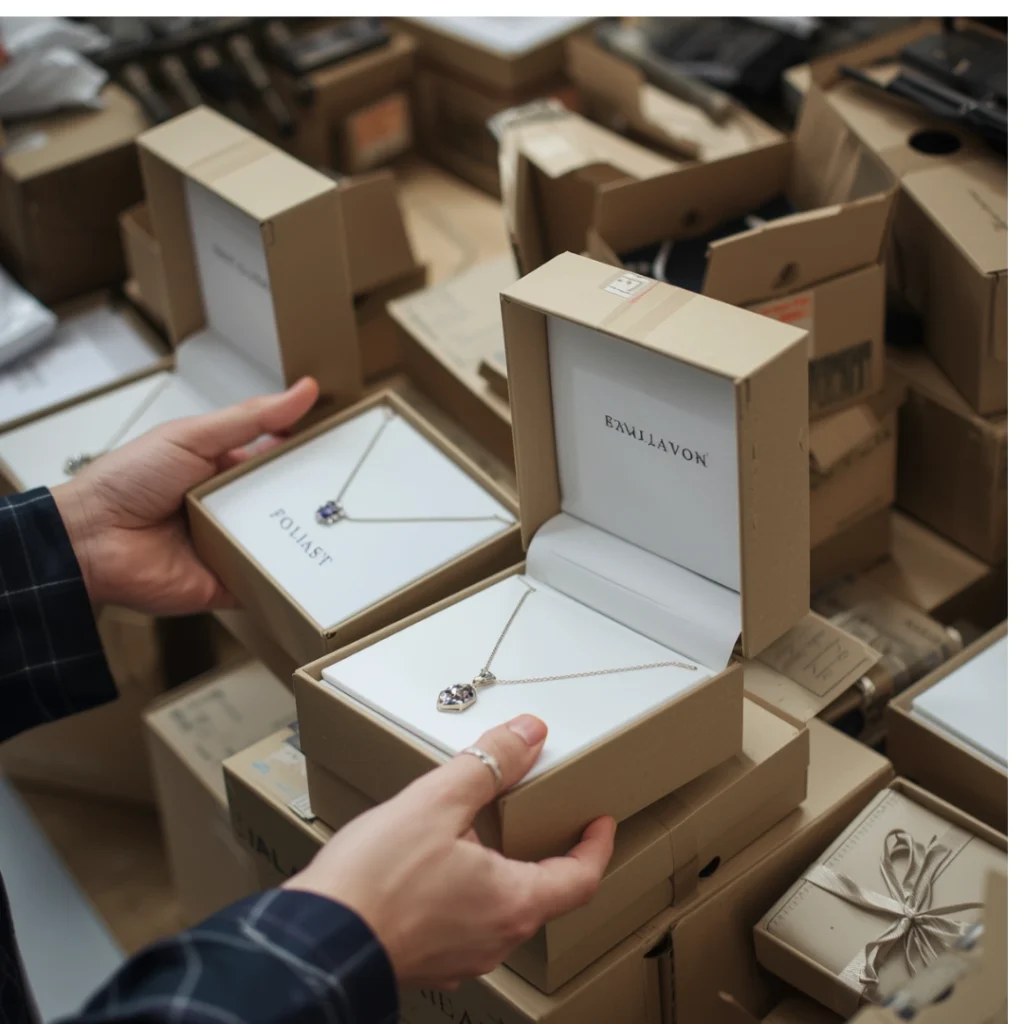
What Happens When DTC and Wholesale Demand Compete?
Now suppose DTC sales of the necklace accelerate unexpectedly while the retail partner requests additional units.
The brand must reassess available inventory before accepting the new wholesale request.
First, determine whether the increase in website orders is temporary or part of a sustained sales trend. Then review the retailer's requested quantity and delivery deadline.
Several options may be worth discussing:
- Fulfill existing commitments and revise the allocation of uncommitted stock.
- Ask whether the retailer can accommodate a revised delivery schedule.
- Explore partial replenishment if the retailer agrees.
- Review whether additional production can support both channels.
Communication is essential. Retail partners should be informed of potential changes before new commitments are made.
Inventory allocation should be reviewed whenever demand changes, rather than treated as a permanent decision made when stock first arrives.
Planning Replenishment Across Multiple Sales Channels
Brands can reduce recurring inventory conflicts by incorporating both DTC and wholesale demand into their replenishment planning.
Start by monitoring sales velocity by SKU and channel. A necklace selling steadily through the website may have a different replenishment profile from one generating occasional but substantial wholesale orders.
It is also important to track available inventory separately from units reserved for confirmed orders.
Other useful practices include:
- Establishing internal reorder or production review points.
- Including confirmed wholesale purchase orders in inventory forecasts.
- Accounting for expected DTC demand and upcoming promotions.
- Reviewing product performance regularly.
- Coordinating replenishment requirements with the manufacturing partner.
Reorder thresholds and production planning requirements depend on the product, manufacturing arrangements, and business needs. Brands should establish these according to their own sales patterns rather than rely on universal inventory formulas.

Can Jewelry Dropshipping Help With Distribution?
Jewelry dropshipping may support certain distribution arrangements by allowing a supplier or fulfillment partner to ship products directly to the customer or designated recipient.
This can change where inventory is stored and who handles order fulfillment. However, it does not automatically resolve inventory shortages or competing demand between DTC and wholesale channels.
Before adopting this model, clarify stock visibility, order handling, packaging, shipping, and returns responsibilities.
For a broader explanation of jewelry fulfillment and dropshipping models, see MJJ Brilliant's existing guide.
Choosing Partners That Support Your Distribution Strategy
A jewelry brand's manufacturing and supplier relationships can influence how effectively it manages inventory across multiple channels.
Clear communication around production requirements, order commitments, and replenishment expectations helps brands plan more effectively as their distribution networks grow.
Before relying on a new supplier to support expansion, assess its capabilities, communication practices, and ability to meet your product requirements. MJJ's guide to evaluating a wholesale jewelry supplier explores some of the considerations involved.
Brands considering broader market expansion can also read about scaling a jewelry brand nationwide.
Build a Jewelry Distribution Strategy That Supports Both Channels
Managing DTC and wholesale inventory requires deliberate allocation, clear order commitments, and realistic replenishment planning.
The goal is not necessarily to prioritize one channel over another, but to establish a distribution strategy that reflects customer demand and the brand's operational requirements.
Planning to expand your jewelry brand across DTC and wholesale channels? Speak with MJJ Brilliant about your manufacturing requirements and how production planning can support your next stage of growth.