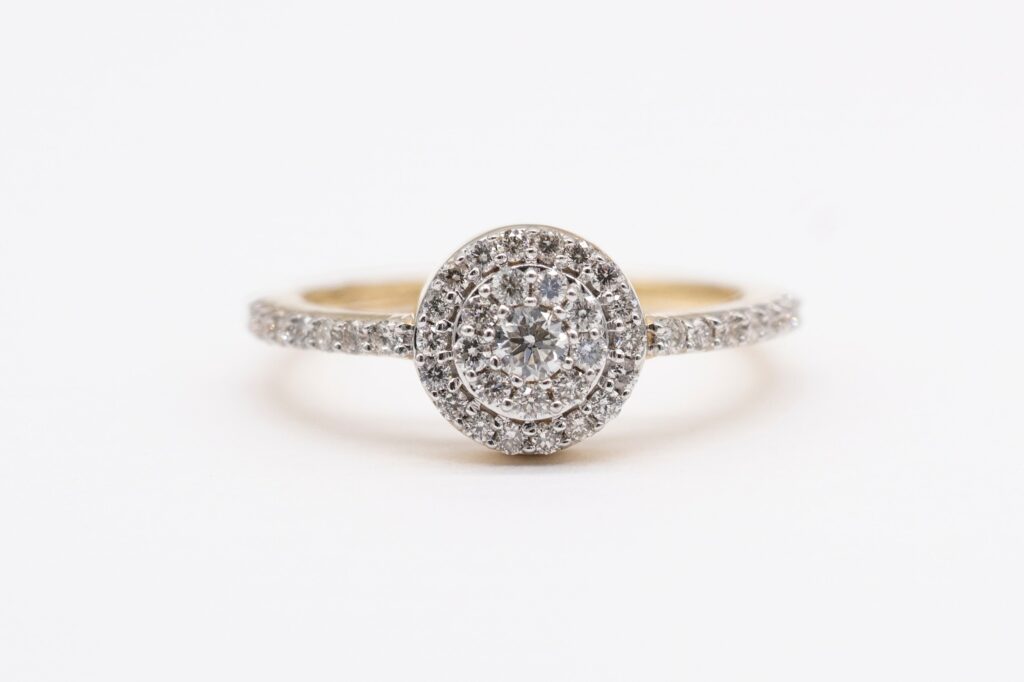
An inventory-light jewelry launch is not about avoiding every inventory decision. It is about deciding exactly where inventory risk belongs—and making sure the customer experience does not suffer as a result.
Many founders assume they have only two options: buy a large amount of jewelry before launch or list products online and figure out production later. In practice, several models sit between those extremes.
“Without holding inventory” may mean producing after an order is placed, taking orders before a defined production run, using a partner to ship directly to customers, or holding only selected items such as proven bestsellers, samples, or gift-ready core styles.
Every approach still requires an approved product, clear specifications, realistic customer communication, and a defined fulfillment process.
If you are still building your overall launch plan, begin with MJJ’s guide to launching a jewelry brand faster and smarter.
How This Guide Differs
| Article | Primary purpose | What this article adds |
| How to Launch a Jewelry Brand Faster & Smarter | Broad launch guidance for founders | A focused comparison of inventory-light operating models |
| Guide to Jewelry Fulfillment, Dropshipping, and Distribution | Operational fulfillment and distribution guidance | A launch-stage framework for deciding whether dropshipping is the right model |
| This guide | Inventory-light launch decision-making | Helps brands choose a model before committing to production or stock |
The Four Models at a Glance
| Model | How it works | Upfront inventory exposure | Customer lead-time consideration | Best fit |
| Made to order | A piece is produced after an order is confirmed | Lower finished-goods commitment | Customer must understand production begins after purchase | Custom sizes, personalization, bridal, variable or higher-value products |
| Preorder | Customers commit during a defined selling window before a broader run | Can validate demand before deeper production | Delivery expectations must be clear before checkout | New capsules, limited editions, demand testing |
| Dropshipping | A partner ships directly to the customer or retail destination | Brand may avoid operating its own warehouse | Depends on whether the item is stocked or made to order | DTC brands without in-house fulfillment operations |
| Limited pre-stock | Brand holds selected finished items in controlled quantities | Higher than made-to-order, lower than broad stock buying | Supports faster dispatch for selected styles | Proven bestsellers, gifting styles, core SKUs, retail samples |
The strongest model is often hybrid. A brand might pre-stock proven core products, make personalized pieces to order, use preorders to test new concepts, and use dropshipping where direct fulfillment fits the customer promise.
Model 1: Made-to-Order Jewelry
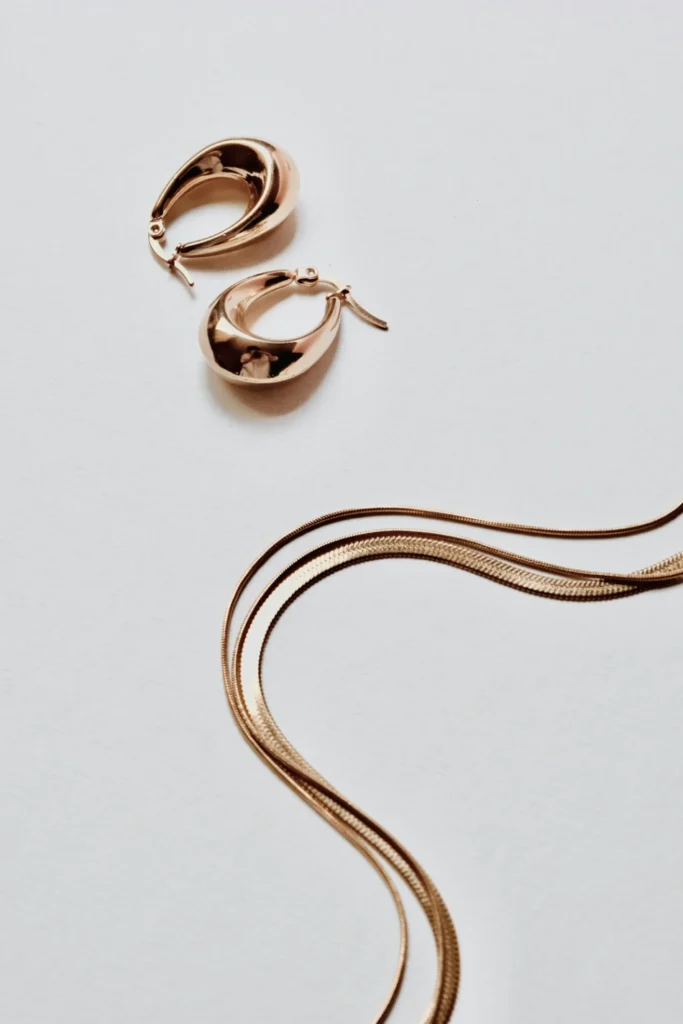
Made-to-order jewelry is produced after a customer commits to buying it. It can be a strong option when products have customer-specific variables such as ring size, metal choice, stone selection, engraving, personalization, or high-value materials.
The commercial benefit is lower finished-goods inventory exposure before demand is confirmed. The trade-off is that customers need to understand they are purchasing a product that will be made after the sale. Product pages, order confirmations, and customer-service workflows should reflect that reality.
Quality control remains essential. Your brand still needs approved specifications, documented samples, and a clear process for handling changes, defects, and customer questions. For made-to-order or personalized pieces, clearly communicate how return and exchange terms differ from those for stocked items before purchase.
Model 2: Jewelry Preorders
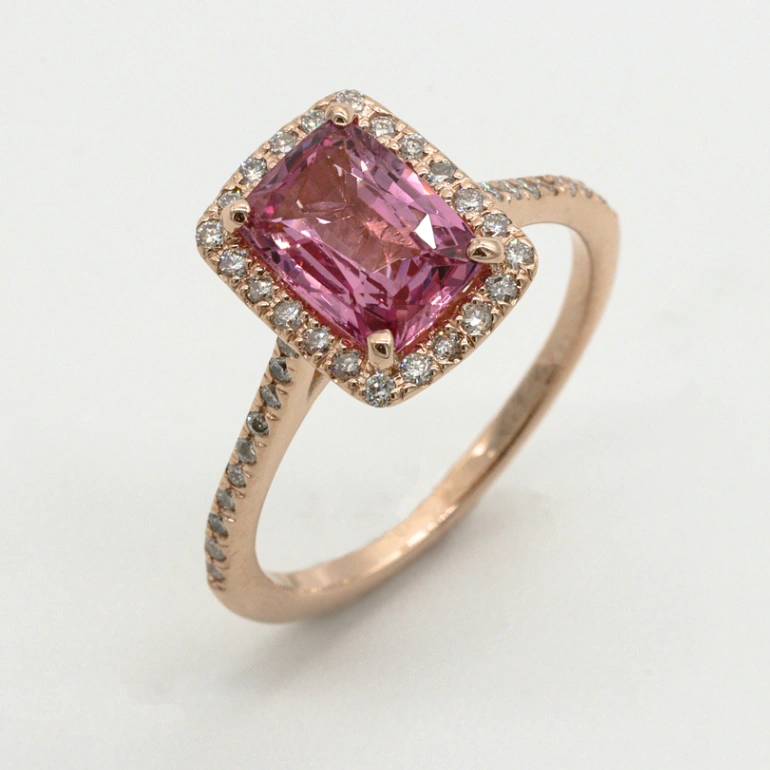
Preorders let a brand use customer commitment to validate a collection before placing a broader production order. They can be useful for testing a new capsule, price point, material, category, or hero design.
The product should be sufficiently developed before it is offered. That means the design is finalized, the production path is understood, materials have been identified, and the brand has approved a physical sample—or, where a physical sample is not yet available, reviewed a render or CAD model with a defined plan for sample approval before production.
A preorder should have a defined ordering period and transparent customer communication. If the product scope, expected delivery timing, or specifications change, customers need a clear update.
Preorder revenue is not risk-free cash flow; it creates a fulfillment obligation that requires disciplined production and service planning.
Choose preorders when demand is uncertain but the collection is production-ready enough to validate before you scale.
Model 3: Jewelry Dropshipping
Dropshipping is a fulfillment model, not a product-development strategy. A partner fulfills directly to the customer or retail destination on the brand’s behalf.
The item may be made to order, pulled from pre-produced inventory, or managed through a mixed model based on SKU demand.
The customer should still receive a brand-consistent experience: the correct item and SKU, approved packaging, relevant care information or certificates, tracking communication, and a defined returns process.
Before launching, clarify the division of responsibilities:
- Who receives and manages order data?
- Who supplies boxes, inserts, care cards, or certificates?
- Who communicates delivery status to the customer?
- Who inspects before jewelry ships to the customer
- Who inspects returns and manages repairs, exchanges, or remake requests?
- How are SKU discrepancies or fulfillment exceptions handled?
Choose dropshipping when you do not want to operate your own warehouse and can establish a reliable customer-facing workflow with your fulfillment partner.
Model 4: Limited Pre-Stock
Limited pre-stock means holding a controlled quantity of selected finished products. It is often best suited to styles with more predictable demand, including proven bestsellers, easy-to-gift pieces, high-volume core SKUs, retail samples, and products for which faster dispatch is central to the customer promise.
The risk is not inventory itself. The risk is holding inventory without a clear reason, measurement process, or replenishment plan.
Set a defined initial quantity, track inventory at the SKU level, establish reorder triggers, and review sell-through before expanding a position. Limited pre-stock often works best alongside made-to-order production or dropshipping rather than replacing either model entirely.
Choose limited pre-stock when demand is proven, customers expect fast fulfillment, and your team can actively monitor inventory.
Compare the Trade-Offs
| Question | Made to order | Preorder | Dropshipping | Limited pre-stock |
| Need to reduce finished-goods inventory? | Strong fit | Strong fit | Often a strong fit | Partial fit |
| Is demand uncertain? | Useful for variable products | Strong validation tool | Depends on the underlying product model | Less suited to unproven SKUs |
| Is customer lead-time flexibility needed? | Important | Essential | Depends on fulfillment structure | Less important |
| Is branded packaging and QC important? | Yes | Yes | Yes, through a documented partner workflow | Yes |
| Is fast shipment a priority? | Not always | Not always | Depends on program | Strong fit |
Inventory-light does not eliminate operational responsibility. It changes when and where that responsibility is managed.
Confirm the Product Promise First
Before you sell, confirm the approved sample or documented product standard; metal, stone, finish, size, and component specifications; accurate imagery and descriptions; packaging requirements; and customer-service processes for delivery questions, returns, repairs, exchanges, and remakes.
Customers should understand whether an item is stocked, made to order, or offered through a preorder. The brand, manufacturer, and fulfillment provider should each have clear responsibilities.
A zero-inventory strategy fails when the product is not fully defined, or the customer promise is unclear. Explore MJJ’s complete custom jewelry manufacturing process.
Ask About Flexible Production
Ask whether no-MOQ production is available for your specific product and program, and what conditions apply. Material requirements, design complexity, stone sourcing, packaging, tooling, and production process can all affect the available approach.
MJJ describes no-minimum and made-to-order programs as ways for brands to test designs, launch limited drops, and replenish based on demand rather than large factory minimums. Confirm the details for your particular collection before structuring your launch around that model.
Choose the Model Before the Inventory
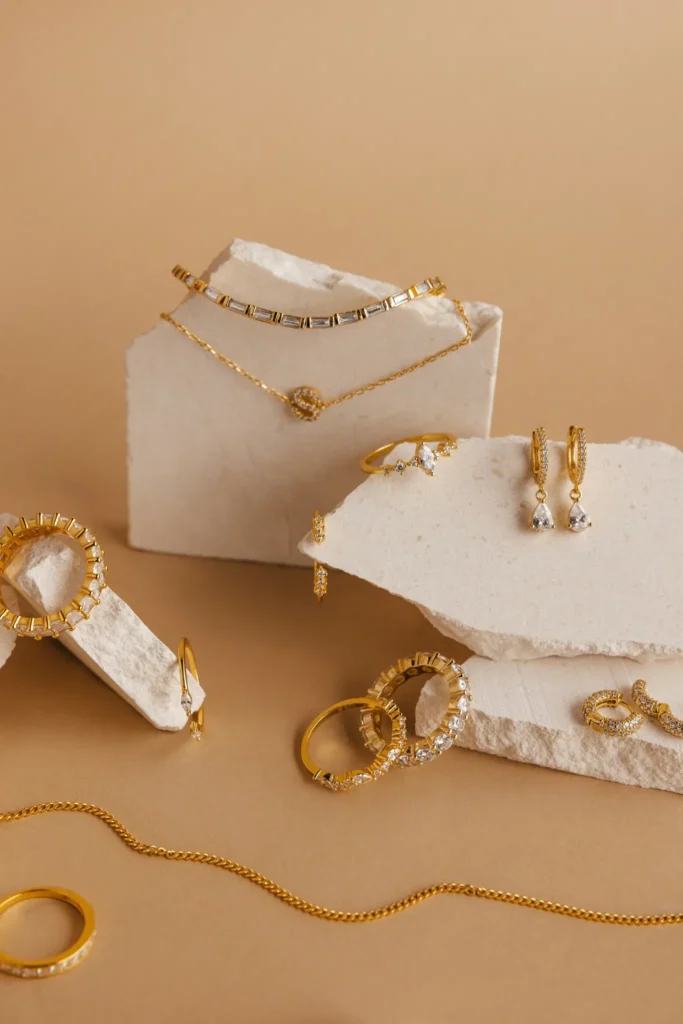
Made-to-order can suit variation and customization. Preorders can validate demand. Dropshipping can support inventory-light direct fulfillment. Limited pre-stock can improve availability for proven styles. Most brands will combine these models rather than choose only one.
The right approach depends on your collection, customer expectations, sales channels, product requirements, and fulfillment process.
Request an inventory-light launch review with MJJ. Share your collection concept, expected product variations, target sales channels, and customer-delivery expectations, and MJJ can help you evaluate the right production and fulfillment model.