Switching jewelry manufacturers is not a casual sourcing decision. But when operational problems become recurring patterns, not one-off exceptions, staying put can become the higher-risk choice.
Changing partners can involve approved samples, molds, CAD files, material specifications, packaging requirements, active reorders, and retail commitments. That is why brands often tolerate problems longer than they should.
Choosing a manufacturer for the first time is about supporting a new launch. Switching is about deciding whether an established relationship can still support your quality standards, volume, product complexity, and growth plans.
One defect or late order does not necessarily justify a change. Repeated issues that affect revenue, customer experience, or brand trust, and lack a credible corrective path—do.
Sign 1: Quality Variance Keeps Reappearing
The approved sample and delivered production should align consistently. Warning signs include loose stones, uneven pavé, inconsistent prong finishing, variable plating or polish, incorrect sizing, clasp issues, and inconsistent metal finish.
A single defect can happen in any production environment. The concern is a repeat issue that continues after feedback has been provided.
If your internal team repeatedly catches the same flaws during final inspection or manages rework that should be handled upstream, the manufacturer may not be maintaining the standard your brand requires.
Ask whether specifications are formally documented and whether each production run is measured against approved standards.
A capable jewelry manufacturing partner should identify the root cause of a recurring issue, explain the corrective action, and verify that the problem has been addressed in future orders.

Sign 2: Lead-Time Commitments Are Repeatedly Missed
Delays can occur because of material constraints, shipping disruptions, or unforeseen production complications.
The key issue is not whether every order is exceptionally fast. It is whether timelines are realistic, transparent, communicated early, and consistently managed.
Warning signs include moving production dates, unclear order status, late notification of material constraints, and uncertainty around shipping readiness. When updates arrive too late, your team loses the ability to protect collection launches, retail delivery windows, and customer expectations.
The impact can include missed seasonal sales, retail-account problems, expedited freight costs, and avoidable customer-service strain.
A reliable manufacturer does not need to promise a universal lead time, but it should provide a clear process for identifying and communicating risk before a delay becomes a commercial problem.
Sign 3: Reorders Have No Visibility
Your bestsellers should not become emergencies whenever inventory runs low. If reorder planning depends on chasing updates or receiving conflicting answers, your production process lacks the visibility required for growth.
You should be able to understand whether a core SKU is in queue, in production, awaiting materials, in quality control, or ready to ship.
Reorder lead times should be grounded in a consistent process rather than varying based on who is asked.
Reorder visibility affects in-stock rates, cash flow, retail sell-through, and your customers’ ability to buy proven products. A strong jewelry reorder management process treats replenishment as a planned operating rhythm, not a recurring crisis.
When evaluating a new partner, ask how it communicates production status, plans around core SKUs, and handles repeat demand. The goal is not an unverified turnaround promise; it is a dependable process.
Sign 4: Your Assortment Has Outgrown the Factory
Growth does not only mean more units. It often means more technical complexity.
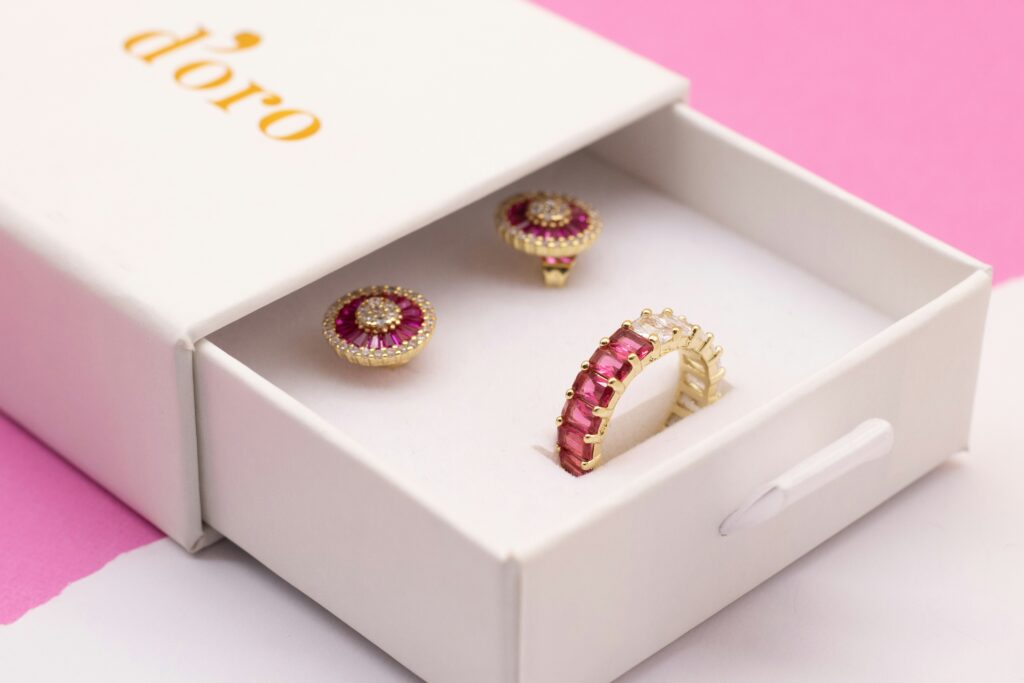
A manufacturer that handled simple pendants or basic rings may struggle as your brand expands into pavé, channel settings, personalization, bridal, stone-intensive designs, new metals, additional finishes, or more sizes and variants.
The warning sign is not simply when a factory says no to a concept. It is when feasibility issues repeatedly arise after your team has already approved designs, planned launches, or committed to retail buyers.
A broader assortment requires stronger design-for-manufacture input, CAD/CAM capability, setting expertise, material coordination, and documented quality specifications. The right partner should identify production constraints early, before a concept becomes a late-stage problem.
Explore MJJ’s Ultimate Custom Jewelry Manufacturing Guide.
Sign 5: Retail Requirements Are Creating Problems
Moving into wholesale, multi-door retail, or larger accounts introduces requirements that a manufacturer built for small direct orders may not be equipped to support.
Depending on the channel, your brand may need account-specific labels, UPCs, packaging, ticketing, product documentation, retail routing, delivery-window coordination, and consistent product presentation across a larger assortment. Buyers may also request quality, sourcing, or compliance documentation.
A manufacturer does not need to manage every retail-distribution task itself. However, it should coordinate effectively with your operating model and provide clear handoffs where warehouses, 3PLs, or other partners are involved.
The concern is a mismatch between a brand that has become a more demanding retail operation and a production partner that still handles every order as a small, isolated shipment.
Sign 6: Capacity Is a Constraint, Not a Plan
A manufacturer does not need to promise unlimited capacity. It does need to tell you what it can realistically support before your growth plan becomes a fulfillment problem.
Capacity discussions should happen before retail launches, promotions, holiday demand, and major reorder periods.
Warning signs include discovering capacity limits after accepting orders, production being repeatedly deprioritized during peak periods, or no clear process for forecasting and reserving production.
Scalable partnership requires candid planning, including which materials must be reserved, where bottlenecks may occur, and what forecast information the brand needs to provide. Vague assurances are not capacity planning.
Sign 7: The Fulfillment Handoff Creates Errors
Finished jewelry still needs to move accurately into inventory, branded packaging, DTC fulfillment, wholesale routing, returns, repairs, and replenishment.
Friction can include SKU or quantity discrepancies, missing packaging or documentation, quality issues found after fulfillment receives the goods, and unclear ownership of returns or restocking.
Your team may be manually coordinating between the manufacturer, warehouse, 3PL, and retail account simply to prevent routine mistakes.
Not every brand needs an integrated jewelry fulfillment partner. But when production and logistics involve multiple vendors, the handoff must be defined, traceable, and accountable.
Confirm who verifies quantities, performs final quality checks, supplies packaging, receives inventory, and handles exceptions.
Learn more in the Guide to Jewelry Fulfillment, Dropshipping, and Distribution.
Before You Switch, Test the Fix
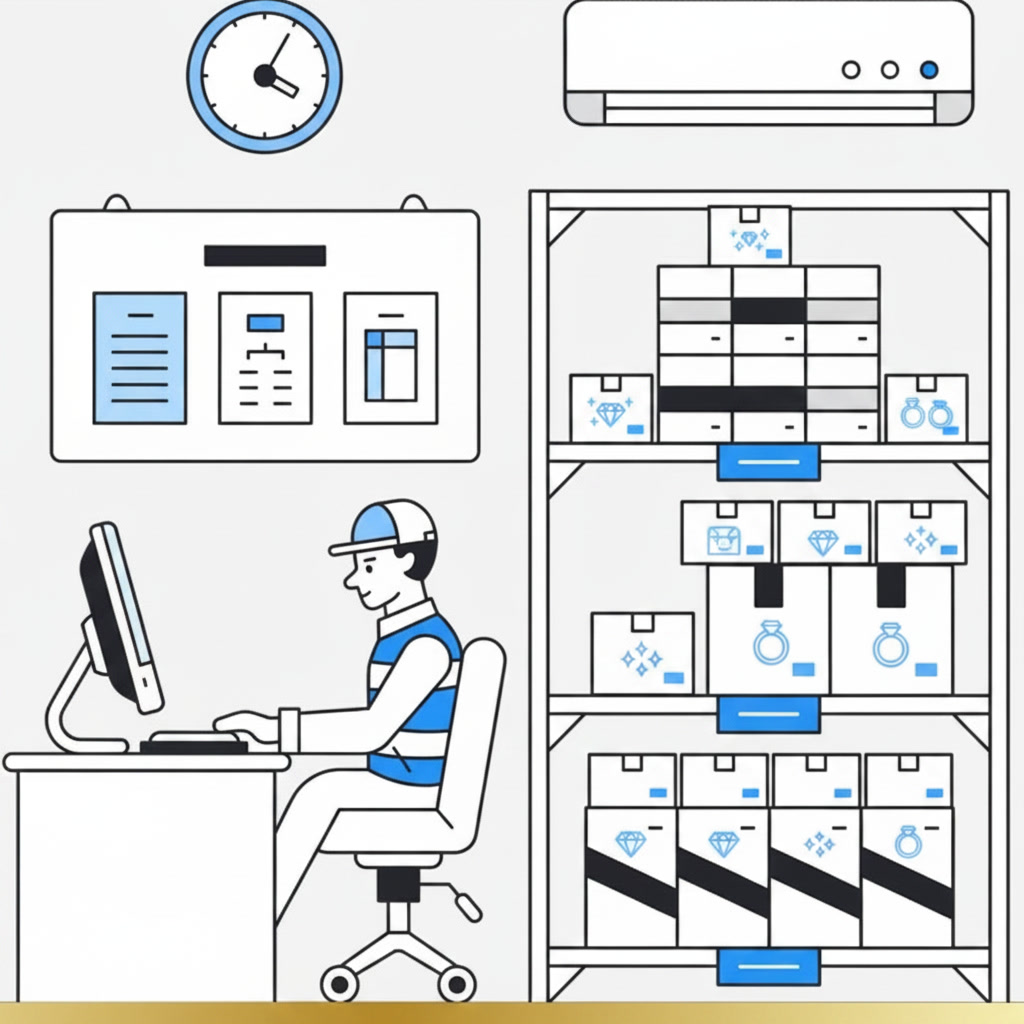
Not every issue requires a switch. First, document problems with dates, SKUs, photos, order references, and business impact. Separate isolated events from recurring patterns.
Then request a corrective-action plan with clear ownership, milestones, root causes, and prevention measures. Assess whether the response is transparent, specific, and measurable—or vague and reactive.
Consider a change when the same problems continue, the current partner cannot credibly support future requirements, or the cost of disruption exceeds the cost of transition. For a first-supplier benchmark, see How to Evaluate a Wholesale Jewelry Supplier Before You Scale.
Start With a Controlled Transition
Do not move every SKU at once. Start with a small group of strategically important products and gather approved samples, bills of materials, CAD files, molds, packaging requirements, and quality specifications.
Confirm IP, design, CAD, and mold ownership before moving forward. This is very important to avoid operational headaches later on.
Run samples and a pilot production order. Compare workmanship, communication, production visibility, and fulfillment handoffs against documented standards.
Build a transition schedule that protects ongoing sales and avoids unnecessary disruption during peak periods.
Use these questions when choosing the right custom jewelry manufacturer.
Choose a Partner for Your Next Stage
The goal is not simply to replace a vendor. It is to choose a jewelry manufacturer that supports consistent quality, reorder needs, assortment complexity, retail requirements, growth planning, and defined fulfillment handoffs.
MJJ can be evaluated as a full-service jewelry development and production partner, with direct sourcing support and potential fulfillment or distribution coordination, depending on the specific program.
Brilliant Jewelers / MJJ Inc. is a member of the Responsible Jewellery Council (RJC), which means its responsible business practices are independently audited against recognized standards for ethics, human rights, labor, and environmental considerations across the jewelry supply chain.
Choosing the right partner gives you confidence and greater control over your product development process.
Talk to MJJ Brilliant about evaluating your manufacturing partnership. We’d love to hear about your current operational challenges, specific product requirements, and growth plans. Our team can then help you assess a practical roadmap to set a strong foundation moving forward.