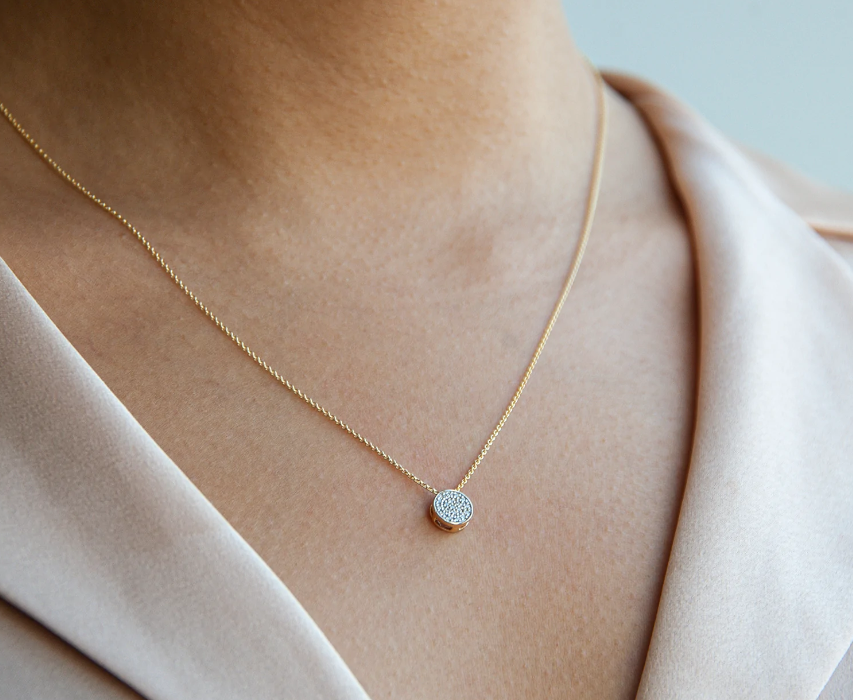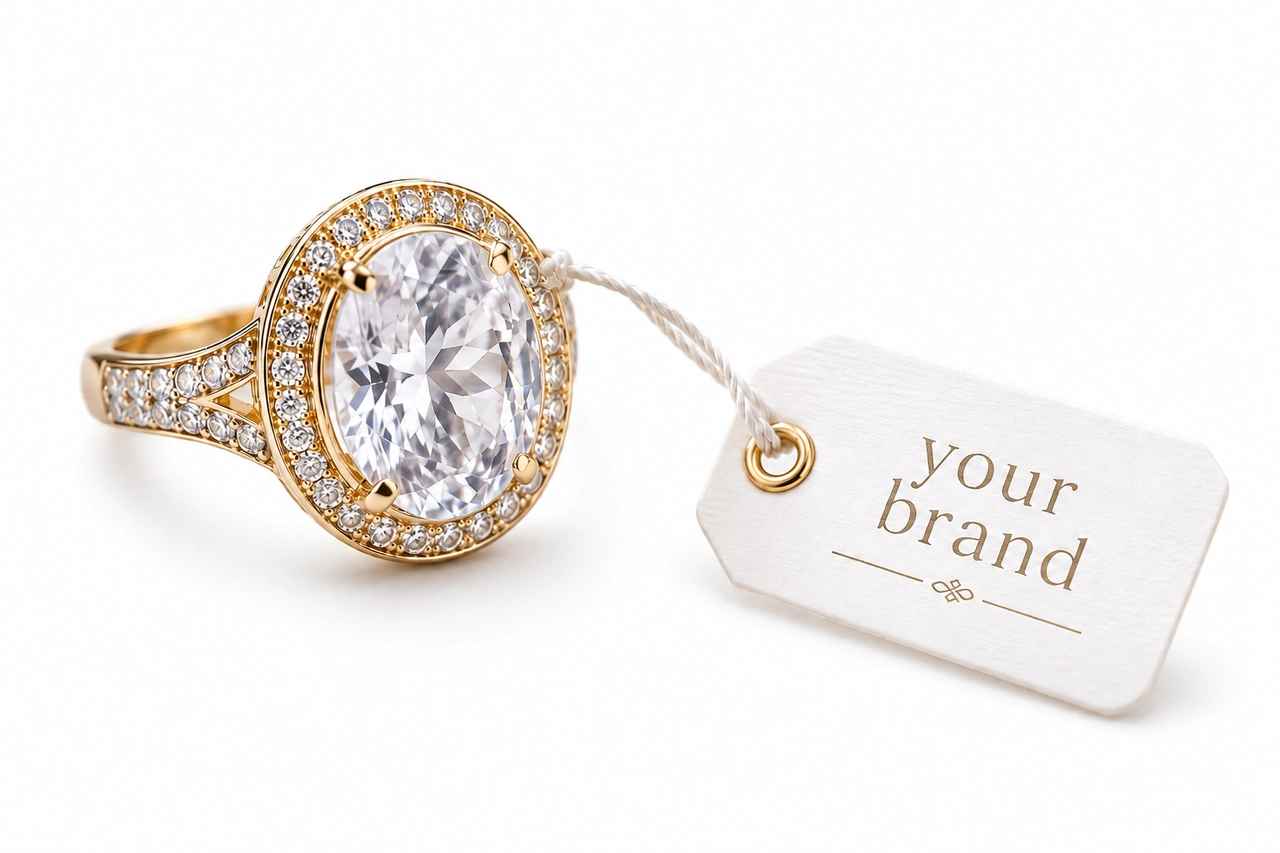
Private-label jewelry manufacturing lets brands sell jewelry under their own name without operating their own factory. The manufacturer handles production, while the brand shapes the collection, customer experience, materials, packaging, and market position.
Programs can range from branded versions of existing styles to more customized designs. This guide explains the key decisions to make around customization, ownership, and production support before you launch.
Private Label vs. White Label vs. Custom Jewelry Manufacturing
These terms are often used interchangeably, but they describe different levels of control. Knowing the distinction helps brands choose the right manufacturing path and avoid assumptions about exclusivity or ownership.
| Manufacturing model | What it means | Brand control | Best fit |
| White label jewelry | A supplier’s existing product is sold under multiple businesses’ brands | Lower; the underlying style may be non-exclusive | Retailers seeking quick access to proven, ready-made styles |
| Private label jewelry | Jewelry is produced and presented under a brand’s identity, with agreed customization options | Moderate to high, depending on product and contract terms | Brands building an owned assortment without operating production internally |
| Custom jewelry manufacturing | A product is developed from a brand’s original concept, sketch, CAD, or technical specification | Highest potential control; terms should be contractually defined | Brands seeking differentiated or proprietary collections |
Private label does not automatically mean exclusive. It can range from branded packaging around an established format to a collection with customized metals, stones, dimensions, finishes, and details.
The more changes a brand makes, the closer the project may move toward custom jewelry manufacturing.
Ask early about design ownership, mold and CAD-file ownership, exclusivity, and the manufacturer’s right to reuse or adapt the design. Explore MJJ’s custom jewelry manufacturing guide.
What Brands Control in a Private-Label Program
A private-label program can give a brand meaningful control over how a collection looks, feels, and reaches its customer.
The exact options depend on the product and manufacturing arrangement, but may include:
- Collection direction, target customer, and price positioning
- Metal type, color, karat, finish, and plating
- Diamond or gemstone type, shape, size, and quality range
- Stone-setting style, sizing, chain length, engraving, and product details
- Brand name, logo application, hangtags, care materials, and certificates
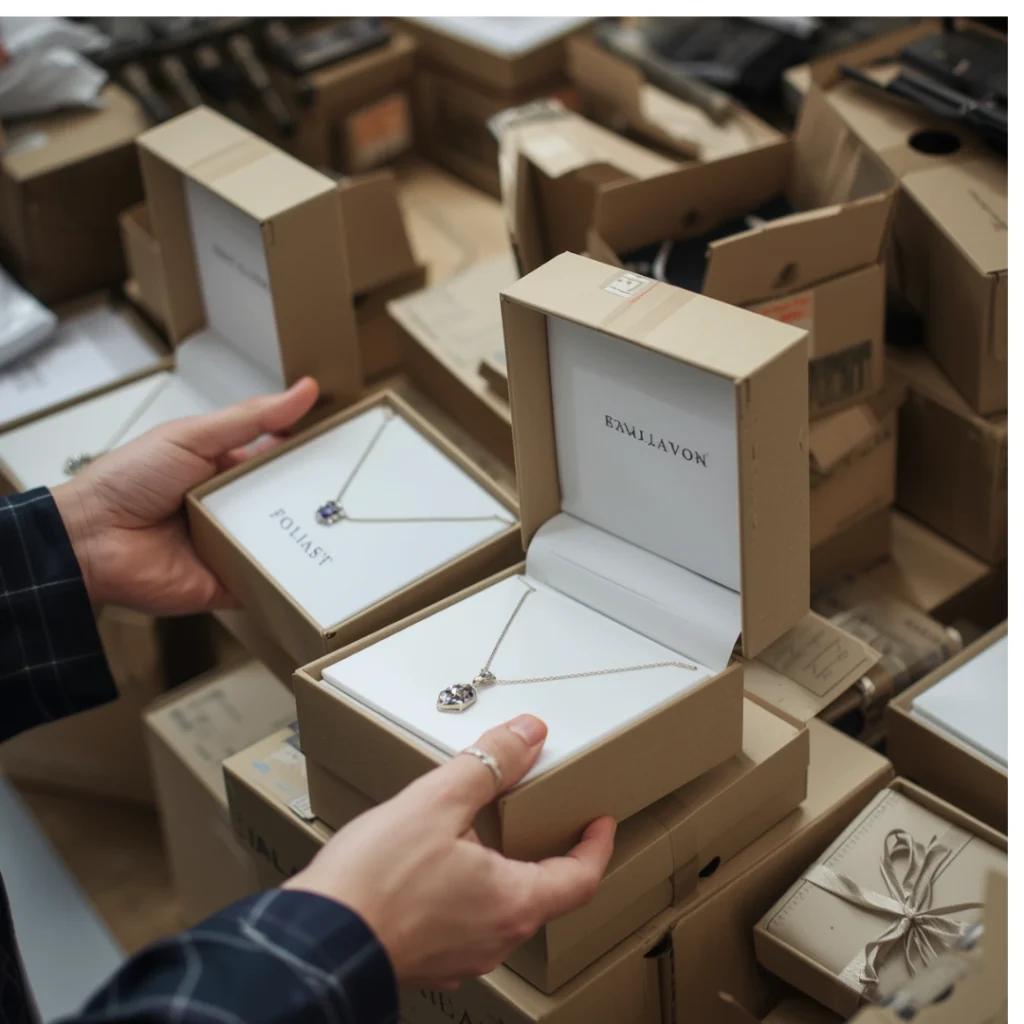
- Branded jewelry packaging and the unboxing experience
- Product assortment and channel strategy for DTC, wholesale, or retail
Private label supports brand expression without requiring a company to build every technical capability internally.
At the same time, a greater departure from an existing format can require more development, sampling, tooling, material planning, and production coordination.
The right approach is to align your desired level of differentiation with the time, budget, and operational commitment required to execute it well.
A clear brief helps a private label jewelry manufacturer translate creative direction into a production-ready program.
Protect Your Design, IP, and Specifications
Design-control terms should be resolved before development begins. This is not a sign of mistrust; it is good operational discipline that protects both the brand and manufacturer.
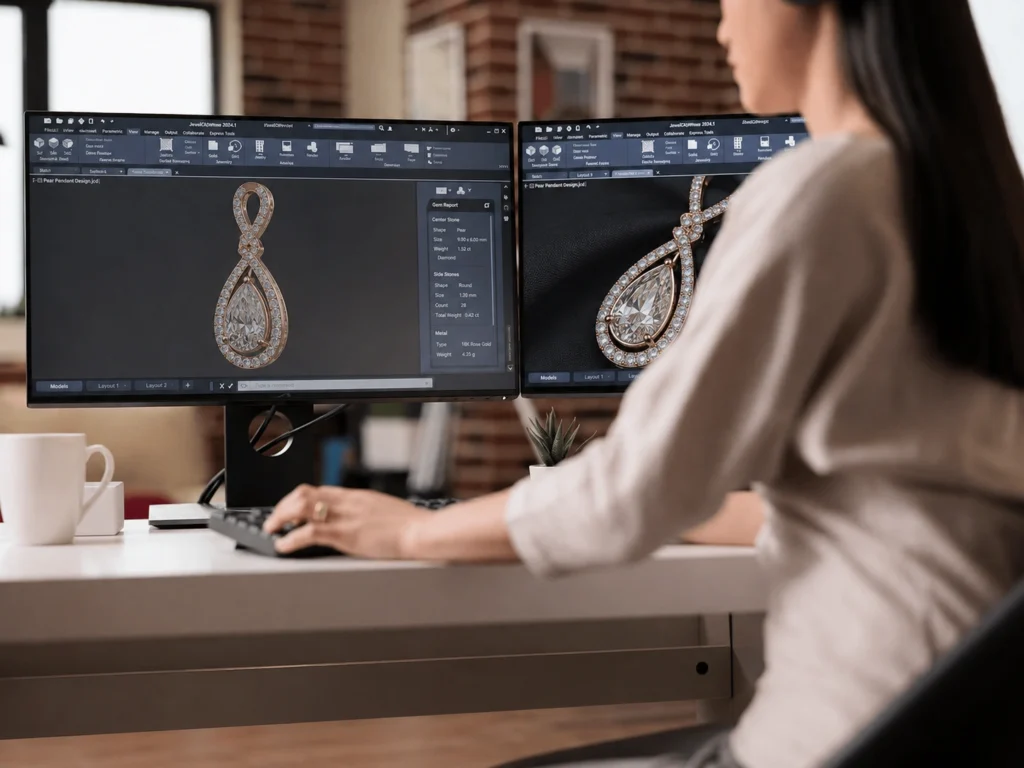
Ask who owns the original design concept, CAD files, molds, masters, samples, and final technical specifications.
Confirm whether the manufacturer may produce a similar item for another client, what confidentiality protections apply, and what happens to production assets if the relationship ends.
Also document approval milestones, revision procedures, final specifications, and the manufacturer’s authorized scope of production. Clear terms prevent confusion when an initial collection becomes a successful long-term program.
A strong agreement gives the brand clarity about what it owns while giving the manufacturer a precise production standard to follow. Questions to ask when choosing a custom jewelry manufacturer.
Samples Make Ideas Production-Ready
A render or CAD file is an important development tool, but it is not a substitute for a physical sample. Before approving full production, evaluate the piece in hand.
Review proportion, comfort, weight, scale, stone placement, setting security, metal finish, plating, polish, clasp function, sizing, and wearability.
Consider whether the selected box, pouch, insert, or certificate fits the product and creates the intended customer experience.
The approved sample should become the reference standard for future production. Document the selected metal, stone, finish, dimensions, packaging, and any acceptable tolerances. This reduces variation between the initial run and later reorders.
Sample timing and revision cycles should be determined by the piece’s complexity and the agreed program.
A well-managed sampling process may require patience, but it can prevent much larger quality and inventory problems later.
Quality Control Is Part of the Brand Experience
Once a private-label piece reaches the customer, it represents your brand—not the factory. Quality control should therefore be evaluated as part of the customer experience, not as an afterthought.
Ask how a manufacturer verifies materials and components, inspects stone security and setting execution, evaluates finish, polish, plating, sizing, and confirms SKU and packaging accuracy before shipment.
Also ask how defects, rework, and production exceptions are documented and resolved.
MJJ’s bench-jeweler expertise and full-service production capabilities can support brands developing private-label and custom collections.
Most importantly, brands should understand how quality standards are documented, inspected, and maintained across each production run.
Packaging, Fulfillment, and Replenishment
Production is only part of launching a private-label collection. After jewelry is made, it must be stored, packaged, shipped, replenished, and sometimes returned or repaired.
A capable manufacturing and jewelry fulfillment partner may support brand-approved boxes, pouches, inserts, care cards, certificates, inventory intake, SKU-level tracking, and pre-shipment quality checks.
Depending on the program, it may also handle DTC fulfillment, high-value shipping workflows, dropshipping, retail routing, wholesale documentation, returns triage, repair coordination, and restock assessment.
Confirm which functions are available before relying on a partner for customer-facing fulfillment. Establish who supplies branded materials, where inventory is held, how orders are transmitted, and what service levels apply to each sales channel.
Integrated production and fulfillment can reduce handoffs between the finished piece and the customer. Guide to jewelry fulfillment, dropshipping, and distribution.
Where No-MOQ Fits
Flexible production can be useful for brands testing a new private-label collection, managing variable ring sizes, or limiting early inventory exposure. But minimums are not universal.
They can vary by design complexity, materials, gemstone availability, tooling, production method, and packaging requirements. “No MOQ” should not be interpreted as an automatic promise that every design can be produced in any quantity or timeline.
MJJ’s no-MOQ and made-to-order options are programs to explore during the quote and development stage, where the product and operating model support them. Learn how flexible, made-to-order production can reduce inventory risk.
Choosing the Right Partner
Before selecting a private label jewelry manufacturer, use this checklist:
- Can it clearly explain whether the program is white label, private label, or custom manufacturing?
- Are design ownership, CAD, mold, reuse, confidentiality, and exclusivity terms clear?
- Can it produce a representative sample before full production?
- Are quality-control standards and approval procedures documented?
- Can it support your materials, setting techniques, and finishing requirements?
- Are minimums, pilot-run options, and replenishment terms transparent for your specific product?
- Can it provide branded packaging and, if needed, fulfillment or retail distribution support?
- Does it offer responsible-sourcing support and relevant compliance credentials?
MJJ’s Responsible Jewellery Council membership is one factor brands can consider when evaluating responsible business practices and material-sourcing confidence. Learn about direct sourcing, cost control, and provenance for jewelry brands.
Build a Program Around Your Brand
Private label is more than placing a logo on a product. At its best, it is a structured way to build a branded jewelry assortment with defined product standards, controlled presentation, and scalable operational support.
MJJ can help brands determine the appropriate path, whether that means a private-label collection, custom development, flexible production, or fulfillment support.
The right program starts with clear expectations around product concept, materials, expected volume, branding requirements, and sales channels.
Talk to MJJ about launching a private-label jewelry collection. Share your product concept, materials, expected volume, branding requirements, and sales channels, and the team can help define the right production and fulfillment program.