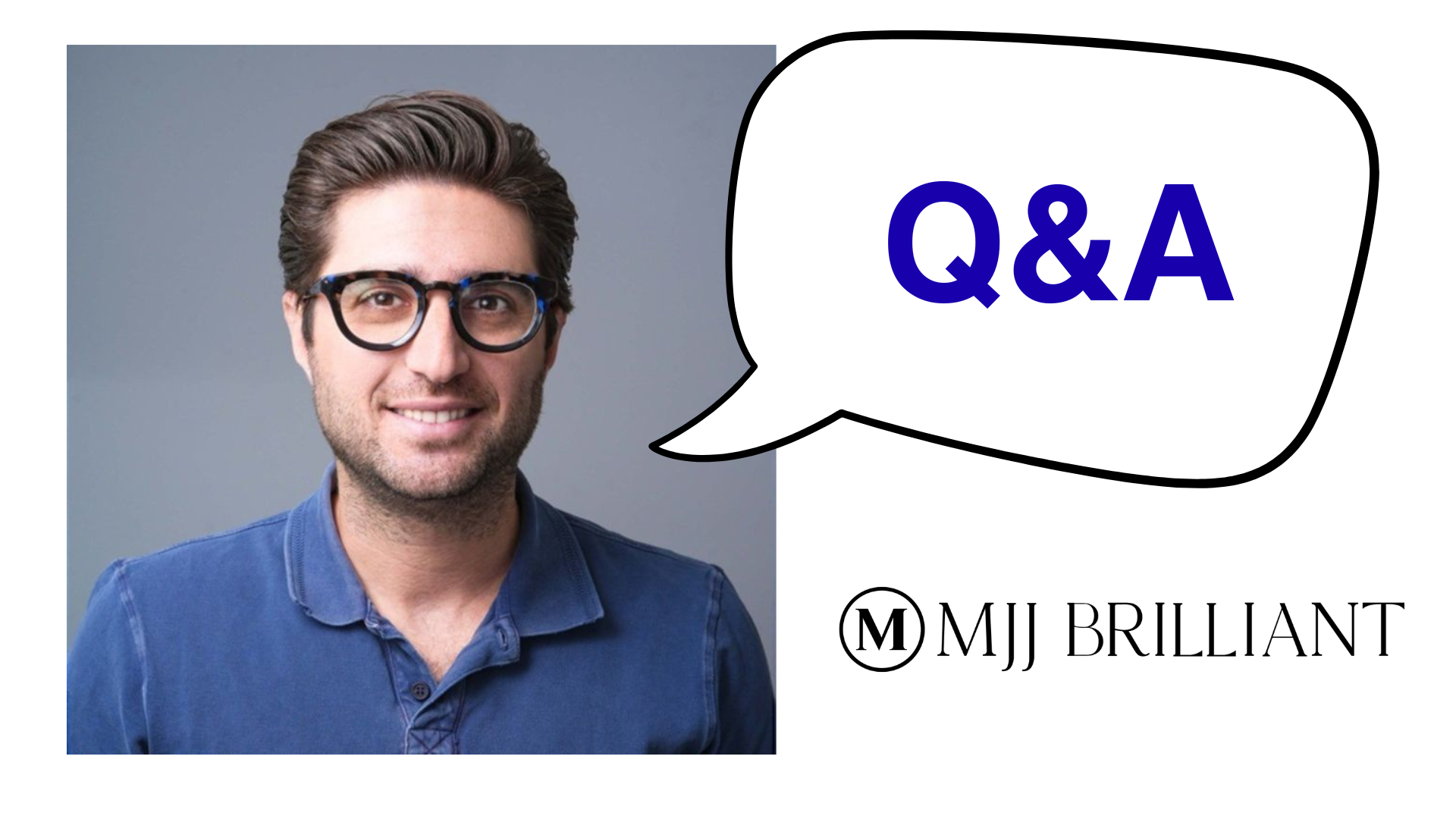
Read our exclusive interview with MJJ Brilliant COO Jason Yakubovich on tariffs, nearshoring, repairs, and the future of jewelry manufacturing.
Q1. The tariff situation has completely reshuffled the deck for brands manufacturing in Asia. From where you sit operationally, what are you actually seeing brands do right now — and who is moving fastest?
“The brands moving fastest are usually the ones that have relied on just one supply chain in one country, whether that’s India, China, or Thailand. They’re feeling the most pressure, so they’re also the quickest to make changes.
What we’re seeing now is brands actively diversifying — not only their manufacturing base, but also their retail and wholesale partnerships. The companies responding best are the ones treating this as a long-term supply chain strategy, not just a short-term tariff reaction.”
Q2. There's a lot of talk about “reshoring” and “nearshoring” in manufacturing broadly, but jewelry has specific craft and material requirements that other industries don't. How do you respond to brands that worry that moving production to Mexico means sacrificing quality?
“Mexico has a long tradition of craftsmanship, and that matters in jewelry. The artisan skill set is here, and in many cases the quality we’re seeing is stronger and more consistent than what brands have recently been getting from some overseas markets.
A lot of brands assume moving closer to home means compromising on craftsmanship, but that hasn’t been our experience. In fact, we’ve seen some of the biggest quality challenges come from India and Thailand lately, which may be tied to labor force changes and inconsistent production standards. For brands looking for both quality and proximity, Mexico is a very strong option.”
Q3. MJJ produces over 4 million pieces a year. When a boutique brand with 10 SKUs and no minimum order calls you, how does that conversation actually go? Is there a client that's too small?
“There’s no client that’s too small. The key is making sure we have the right operational flow and workforce in place to support them properly.
A smaller brand may need a different production path than a large-scale retailer, but that doesn’t make them less important. Some of the best long-term partnerships start small, with a handful of SKUs, and grow over time as the brand gains traction.”
Q4. You hold RJC certification, which puts MJJ in the same compliance tier as Tiffany's suppliers. But most independent brands don't even know what RJC means. Why should they care — and what does it actually mean for their supply chain story?
“For those who may not know, RJC stands for the Responsible Jewellery Council. It’s a globally recognized certification that sets standards for ethical, social, human rights, and environmental practices throughout the jewelry supply chain.
For independent brands, that matters because it means their manufacturing partner is operating with accountability and transparency. It shows that the supply chain is being tracked and managed responsibly, not just from a quality standpoint, but from an ethical one as well.
It’s one of the strongest trust signals a manufacturer can offer, and it’s a major reason brands should care about who they’re producing with. This certification sits just below ISO-level systems, which is something we’re also working toward.”

Q5. What is the most common mistake you see jewelry brands make when they're scaling from regional to national and how does it usually show up operationally before they realize it's happening?
“One of the biggest mistakes is putting all their eggs in one manufacturing basket. If something happens to that one partner [delays, quality issues, capacity problems, or communication breakdowns] — the brand suddenly has no flexibility and no backup plan.
Operationally, it usually starts showing up in missed deadlines, inconsistent inventory flow, and reactive decision-making. By the time the brand realizes how exposed it is, the problem has already started affecting retail relationships and customer experience.”
Q6. The conversation around lab-grown diamonds has shifted dramatically in the last 18 months — prices have compressed, luxury brands are pulling back, but emerging brands are leaning in. What's your read on where lab-grown sits in the manufacturing mix right now, and where it's going?
“At this point, I think lab-grown has reached a comfortable price level where it’s affordable for a much wider range of brands and customers. That accessibility has made it a strong option, especially for emerging brands trying to balance design, price point, and margin.
I don’t see it going away — I think it’s becoming a permanent part of the manufacturing mix. It may not fit every brand story, especially at the highest luxury end, but for fashion, bridge, and emerging jewelry brands, it gives a lot of flexibility and room to grow.”
Q7. Jewelry repair is becoming a real retail differentiator — brands that offer post-purchase care are seeing stronger retention than those that don't. But most brands don't have the infrastructure to execute it. What does wholesale repair outsourcing actually look like for a retailer who's never done it before?
“After-sales service is crucial because it keeps the customer engaged long after the initial purchase. If a brand handles repairs well, it builds trust, loyalty, and a much stronger overall customer experience.
For a retailer that’s never outsourced repairs before, the biggest pieces are operational flow and communication. You need a clear system for intake, tracking, repair evaluation, timing, and customer updates.
Just as important, your repair partner has to be reliable on delivery dates and quality, so your CX team can communicate confidently with the customer throughout the process. When that flow is handled well, repair becomes more than a service function; it becomes a retention tool.”
Q8. If you could change one thing about how emerging jewelry brands approach their first manufacturing relationship, what would it be?
“I’d want emerging brands to stop thinking of their first manufacturer as just a vendor and start thinking of that relationship as a growth strategy. The right partner should give them room to test, learn, and build without forcing them into inventory risk too early.
That’s especially important with a made-to-order model. Programs with no minimum order quantities give new brands the freedom to launch with a small number of styles, test samples or early demand, and refine what’s working before they scale. Instead of overcommitting upfront, they can move at their own pace, protect cash flow, and make smarter decisions based on real market feedback.”
Q9. There's a well-documented generational gap closing in on the bench jewelry trade — master jewelers are retiring faster than the next generation is entering the craft. Is this a crisis the industry is underestimating, and has it affected how MJJ thinks about hiring, training, and retaining talent at 700+ people?
“This is a real problem, and not just in jewelry. Across industries, skilled labor is aging out faster than younger generations are entering the trades.
A lot of younger people are being pushed toward computer-based careers instead of learning hands-on skills, which makes training and recruitment even more important. A big part of my time goes into finding people who want to learn and giving them the right environment to grow. Thankfully, we’ve built a strong pipeline with younger workers, and that momentum helps: they bring in friends, they stay engaged, and it creates an ongoing cycle of talent development.”
–
Interview conducted by fine jewelry writer & editor: Haig Ter-Martirosian, Founder/CEO at The Jewelry Wordsmith LLC.