As gold costs remain elevated, jewelry brands are not necessarily moving away from gold. They are asking a more strategic question: where can sterling silver create a compelling new way into the brand?
High gold prices can pressure retail-price architecture, inventory investment, and the accessibility of a gold-only assortment. A reactive brand simply substitutes silver for gold. A strategic brand assesses where sterling silver has a clear role in the collection through disciplined sterling silver sourcing, specification, and production planning.
The right question is not, “Should we stop producing gold jewelry?” It is: which customers are we currently unable to serve, which products could be expressed authentically in silver, and how can silver support the brand without weakening its core gold proposition?
This article outlines a framework for price ladders, product and design fit, quality and specification control, sourcing, and collection rollout.
Why Sterling Silver Is Back in the Conversation
Sterling silver offers a different commercial and visual proposition than solid gold: an accessible material option that can support a modern, cool-toned, sculptural aesthetic.
The opportunity is not limited to lower price points. Silver can also support bold forms, heavier-looking silhouettes, gender-inclusive designs, and more experimental collection concepts.
Market signals reflect this shift. A recent Rapaport article described how jewelers are turning to silver for its versatility and accessibility as gold prices continue to rise.
Decision Framework 1: Build the Right Price Ladder
Sterling silver can help a brand build a clearer progression of price and product:
| Collection tier | Potential role | Strategic purpose |
| Sterling silver | Everyday pieces, gifting, statement styles, entry products | Reach first-time customers and support accessible price points |
| Mixed metal | Transitional or elevated styles | Bridge price tiers and introduce material contrast |
| Solid gold | Core signatures, bridal, heirloom, high-value gifting | Maintain premium and long-term-value positioning |
Silver should not automatically be the “cheapest” version of a gold design. It can be a separate, intentional collection tier with its own storytelling, styling, and product architecture.
Do not assume margin protection. A brand must calculate the full landed and selling cost of each design, including labor, stones, finishing, packaging, channel margin, fulfillment, and projected return rate.
A good silver program does not dilute the gold collection. It gives the brand another credible point of entry.
Decision Framework 2: Choose Designs That Belong in Silver
A successful silver collection should be designed around silver’s own look and properties, rather than simply recasting a gold assortment.
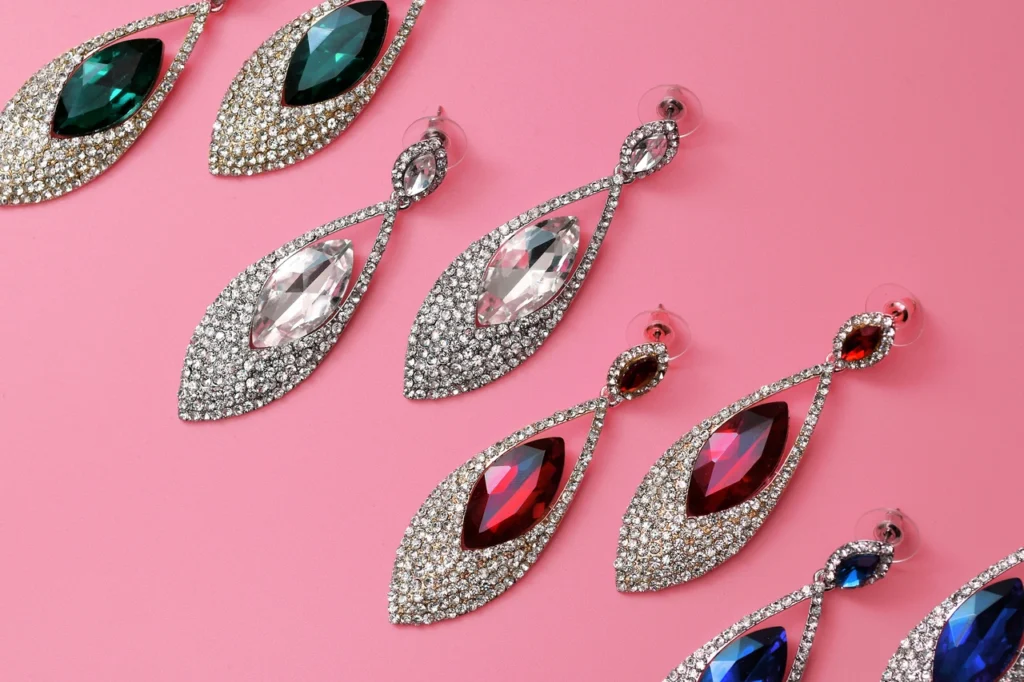
Designs that may be particularly suitable for sterling silver include sculptural rings, cuffs, and statement earrings; bold chain links and layered pendants; signets, personalization, and modern essentials; clean geometric or minimal styles; unisex designs and everyday-wear collections; and mixed-metal concepts where contrast is central to the design story.
Silver’s cool tone, reflectivity, and compatibility with bold proportion can be part of the creative direction.
Mixed-metal designs should feel intentional—not like an arbitrary cost reduction. Rapaport’s coverage connects silver’s resurgence to design interest in bolder, more sculptural, and modern jewelry as well as price accessibility.
Decision Framework 3: Set Quality and Specification Standards Early
Silver is not a lower-standard production material. It requires clear engineering, finishing, setting, and quality specifications to deliver a product that reflects the brand well.
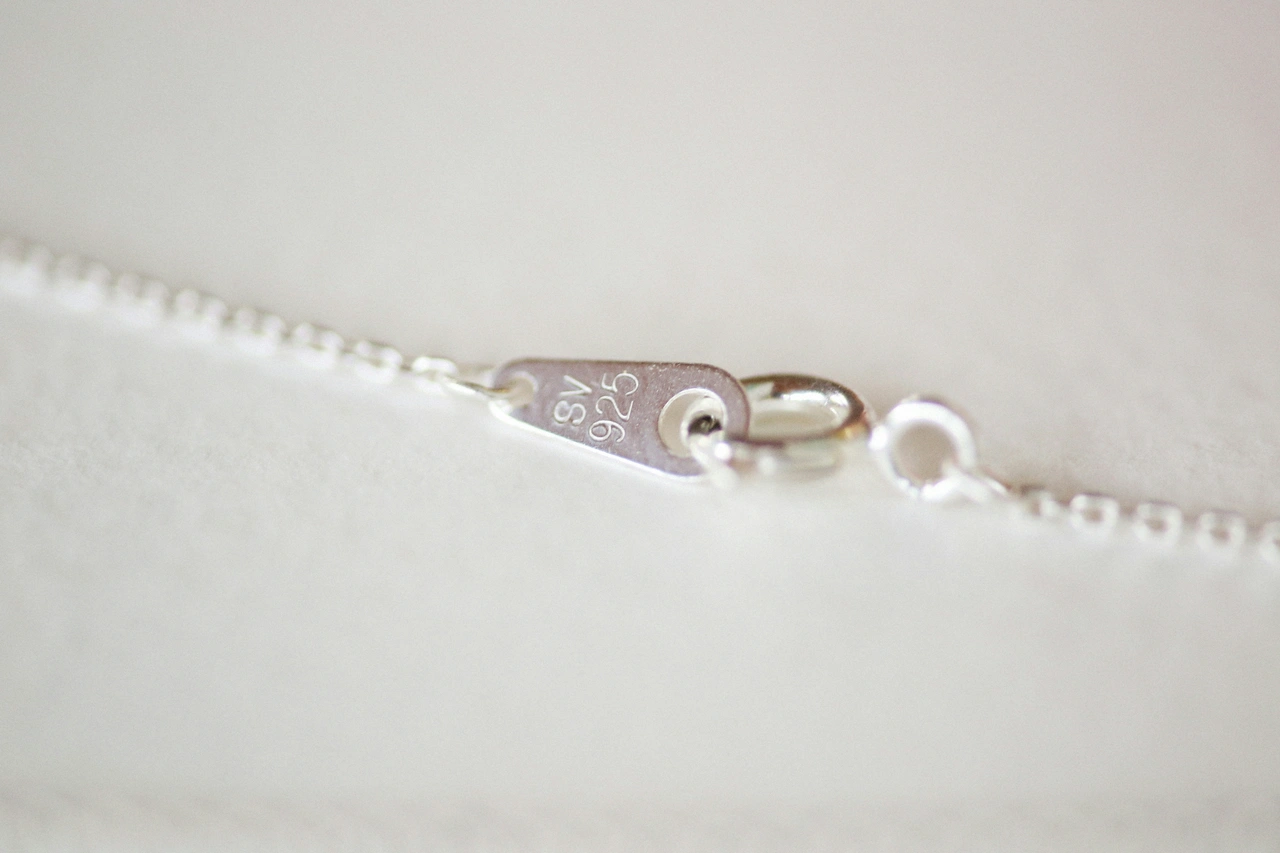
Specify sterling silver (.925) and confirm the relevant alloy requirements. Define target weight, wall thickness, wearability, and durability for each design.
Approve finish requirements: high polish, brushed, oxidized, rhodium plated, gold plated, or another defined treatment. Confirm stone-setting requirements, stone quality ranges, and component specifications. Review care, tarnish management, storage, and packaging needs.
Produce and approve a physical sample before full production to assess proportion, comfort, finish, color, and packaging presentation. Avoid assuming that silver is universally easier, faster, or less expensive to manufacture than gold.
Decision Framework 4: Source Silver With the Same Discipline as Gold
Treat silver sourcing with the same rigor as gold. Use this checklist:
- Can the supplier verify sterling-silver quality and material specifications?
- What sourcing documentation is available?
- Is recycled silver an option if it aligns with the collection’s strategy and available sourcing program?
- Can the supplier source matching stones, findings, chains, and components?
- Are material, plating, finish, and packaging specifications documented before production?
- Can the manufacturer provide responsible-sourcing support relevant to brand, retail, or customer questions?
MJJ can support brands with sourcing requirements for precious metals, diamonds, gemstones, and related production materials as part of a jewelry manufacturing program.
For brands evaluating responsible business practices and material-sourcing accountability, Brilliant Jewelers / MJJ Inc.’s active membership in the Responsible Jewellery Council (RJC) provides an independently audited framework for ethics, human rights, labor, and environmental considerations across the jewelry supply chain.
Do not guarantee material availability, recycled-metal content, pricing, lead times, or origin treatment. These must be verified for the specific collection and production program. Brands can learn more about how direct sourcing and responsible practices support confidence in their materials in Direct Sourcing: Cost Control & Provenance for Jewelry Brands.

Decision Framework 5: Roll Out Silver as a Controlled Collection Test
Start with a focused capsule of styles that clearly fit the brand and silver’s aesthetic. Set a price-positioning objective: accessible entry point, gifting, new-customer acquisition, or a modern statement collection. Approve samples and specifications before committing to broader production.
Choose initial sales channels: DTC, selected retail accounts, a limited launch, or a waitlist/preorder strategy.
Track the right signals: conversion by style, average order value, customer demographics, reorder demand, returns, and cross-purchase into gold collections. Expand based on validated demand, not only on the metal’s market narrative.
Flexible production options can be explored based on the design, materials, and program requirements. See how a jewelry concept moves from design development to finished production.
Sterling Silver Works Best When It Has a Clear Job to Do
Sterling silver is most effective when it supports a defined brand objective—not when it is treated as a short-term substitute for gold.
A strong program rests on a deliberate price ladder, product and design fit, documented quality standards, responsible and transparent sourcing, and a controlled rollout plan.
MJJ can be consulted on material options, specification development, sourcing, sampling, and production planning for an appropriate sterling-silver program.
Contact MJJ Brilliant and let’s talk about sterling silver sourcing for your next collection. Share your design direction, target price point, material requirements, and sales goals, and we can help you explore the right production approach.