Most jewelry brands hit the same ceiling. They build a loyal base in one region and usually stop there. They know their customer, and can see demand from other states—online orders, wholesale inquiries, social media followers—but the traditional playbook of opening new stores, signing long leases, and building local teams in every market feels both risky and slow.
At the same time, logistics have become more complex. In modern fulfillment practices, customer expectations around delivery speed, packaging, and service quality have risen sharply—putting pressure on brands to rethink how they operate across regions.
The good news is that national scale no longer has to mean a national brick-and-mortar presence. If we design the right distribution, fulfillment, and dropship model, we can reach customers across the U.S. without opening a single new location.
In this article, we share how we think about scaling a jewelry brand nationwide, what a modern jewelry fulfillment partner should provide, and how a B2B dropship and logistics model can become your expansion strategy—not just an operational afterthought.
Why the Old Expansion Model No Longer Works
The classic path to “going national” was straightforward: open new stores, hire local teams, and push inventory into every market.
That approach is now both capital-intensive and structurally fragile. Long retail leases, store build-outs, and staffing commitments lock in fixed costs, while supply chain volatility and rising fulfillment expectations make it harder than ever to operate efficiently across regions.
We also see that logistics for jewelry are uniquely demanding. High value per unit means we need secure warehousing, specialized packing, insured shipping, and tight inventory control—requirements that make generic 3PL solutions a poor fit for most brands.
Trying to bolt those capabilities onto a store-led expansion plan often results in under-utilized inventory, inconsistent service levels, and margin erosion.
By contrast, when we separate distribution from doors, we can build a centralized or multi-node logistics backbone that supports every channel—e-commerce, marketplaces, and wholesale partners—without replicating physical stores in every region.
Designing a Nationwide Distribution and Fulfillment Model
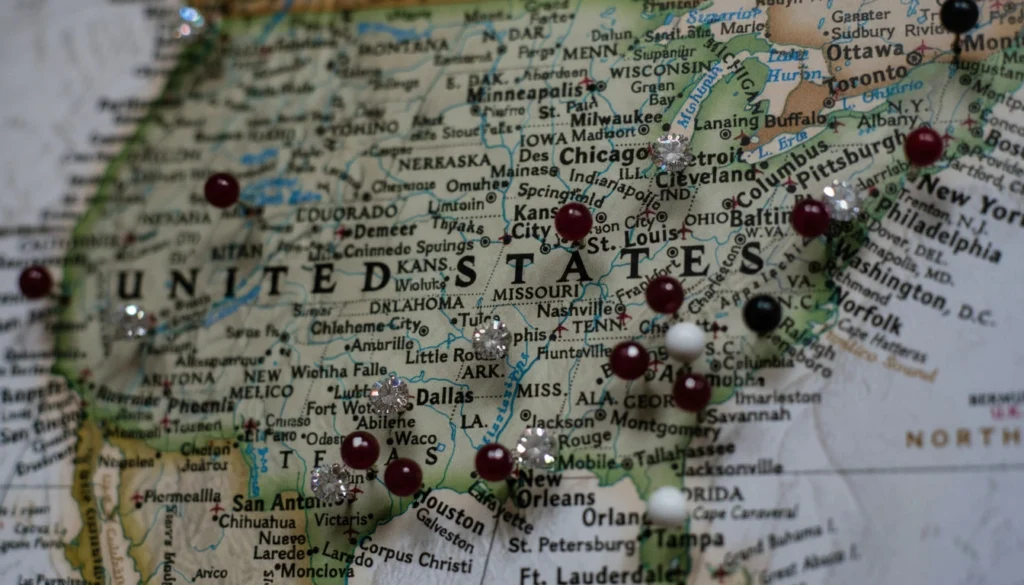
When we work with brands that want to scale beyond their home region, we start by re-framing the question: instead of “Where should we open stores?” we ask “How should inventory flow to reach customers anywhere in the U.S. quickly and profitably?”
That usually leads to three building blocks.
1. Centralized inventory with nationwide reach
Rather than fragmenting stock across many locations, we hold inventory in one or a few strategically placed facilities in North America, with secure, jewelry-specific storage and insured shipping into all major U.S. markets.
This model mirrors how leading brands are rethinking distribution. For example, National Jeweler recently reported on Pandora’s investment in new distribution infrastructure to reduce delivery times and better serve multiple markets from centralized hubs.
Centralization reduces overstock and markdown risk while still allowing us to meet the delivery expectations of national retailers and DTC customers.
2. A true jewelry fulfillment partner
Generic 3PLs are optimized for apparel or commodity goods; scaling a jewelry brand nationwide requires a partner that understands SKUs measured in millimeters, not sizes S–XL.
A specialized jewelry fulfillment partner should be able to:
- Pick, pack, and ship single pieces or bulk orders with tamper-evident, brand-appropriate packaging
- Handle QC, light assembly, sizing, engraving, and other value-add steps before shipment
- Integrate with your e-commerce, marketplaces, and wholesale portals
3. B2B dropshipping and outsourced jewelry logistics
For many brands, the real unlock is a jewelry dropshipping B2B model: we ship on behalf of your retail partners and online channels directly from our distribution center.
Your partner stores never have to pre-buy deep inventory; they can list your assortment and have orders fulfilled one-by-one under your brand or theirs, while we manage stock, packing, and shipping.
This inventory-light approach reflects a broader shift in retail. As outlined in industry resources on jewelry dropshipping models, brands can scale product availability and enter new markets without committing capital to unsold stock—making it easier to test demand and expand efficiently.
What to Look For in a Nationwide Jewelry Fulfillment Partner
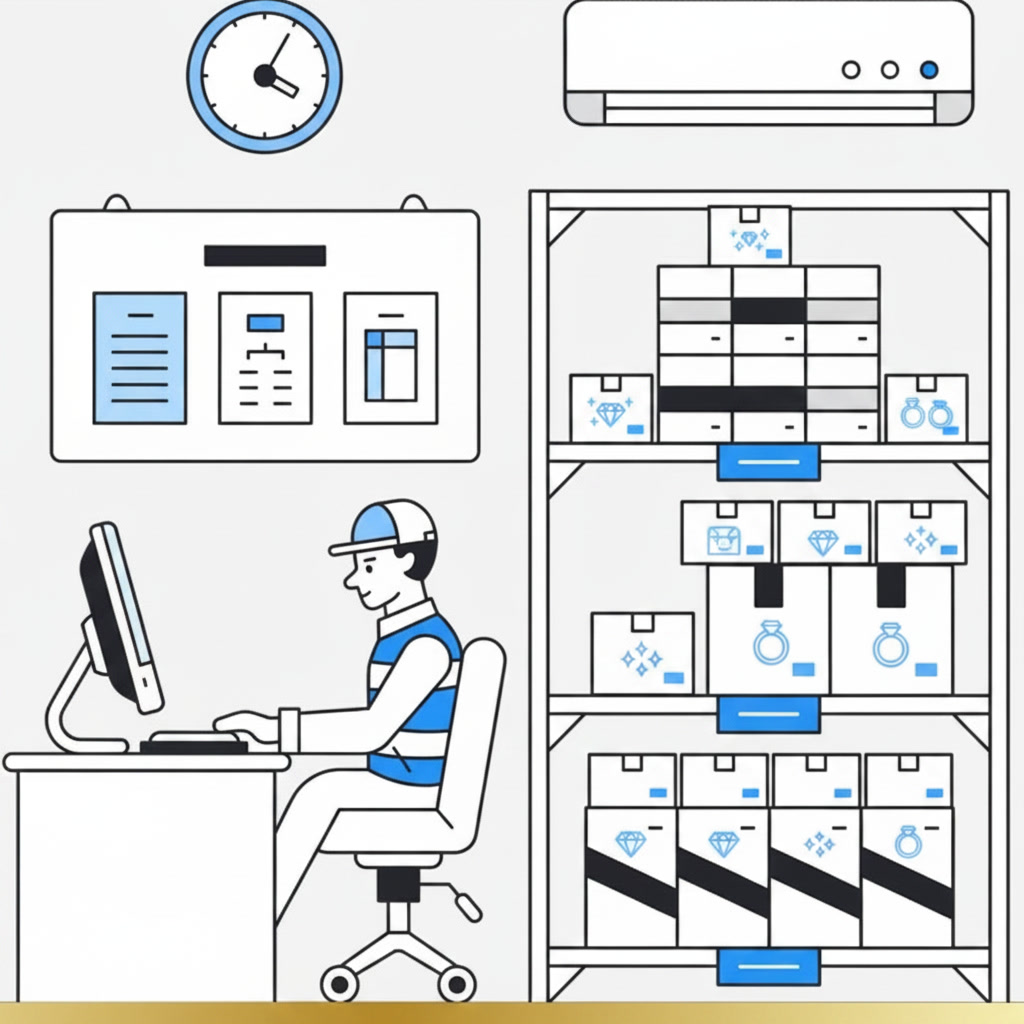
Choosing the right logistics partner is as strategic as choosing a manufacturer. When we advise brands on this decision, we focus on a few non-negotiables that make nationwide scaling feasible.
Jewelry-specific infrastructure and security
A credible partner should operate secure facilities with dedicated areas for high-value inventory, controlled access, and processes tailored to jewelry and luxury goods.
Look for chain-of-custody documentation, insured shipping options, and experience shipping into major U.S. distribution hubs and retailer DCs.
Channel-agnostic fulfillment capabilities
Scaling your jewelry brand nationwide almost always involves multiple channels: your own e-commerce, marketplaces, independents, and national chains.
Your logistics setup should support:
- Wholesale case-packed and pre-ticketed shipments into retailer DCs
- Direct-to-consumer orders from your site or marketplace listings
- B2B dropship programs fulfilled on your behalf
The goal is a single inventory pool that can serve any channel under clear rules—not separate logistics silos competing for stock.
Technology and integration
Your jewelry fulfillment partner should integrate with your existing tech stack—ERP, OMS, e-commerce platforms, and retailer EDI portals—so orders, tracking, and inventory updates move automatically rather than through spreadsheets and email.
Service levels and scalability
Nationwide expansion fails when the logistics layer cannot keep up.
We look for partners that can document SLAs by channel (for example, 24–48 hour order processing and 2–4 day delivery coverage), flex labor and capacity for peak seasons, and provide clear visibility into performance and exception handling.
As emphasized by National Jeweler, fulfillment speed and data accuracy are no longer operational details—they are key drivers of customer satisfaction and brand competitiveness.
How We Help Brands Scale Without New Stores
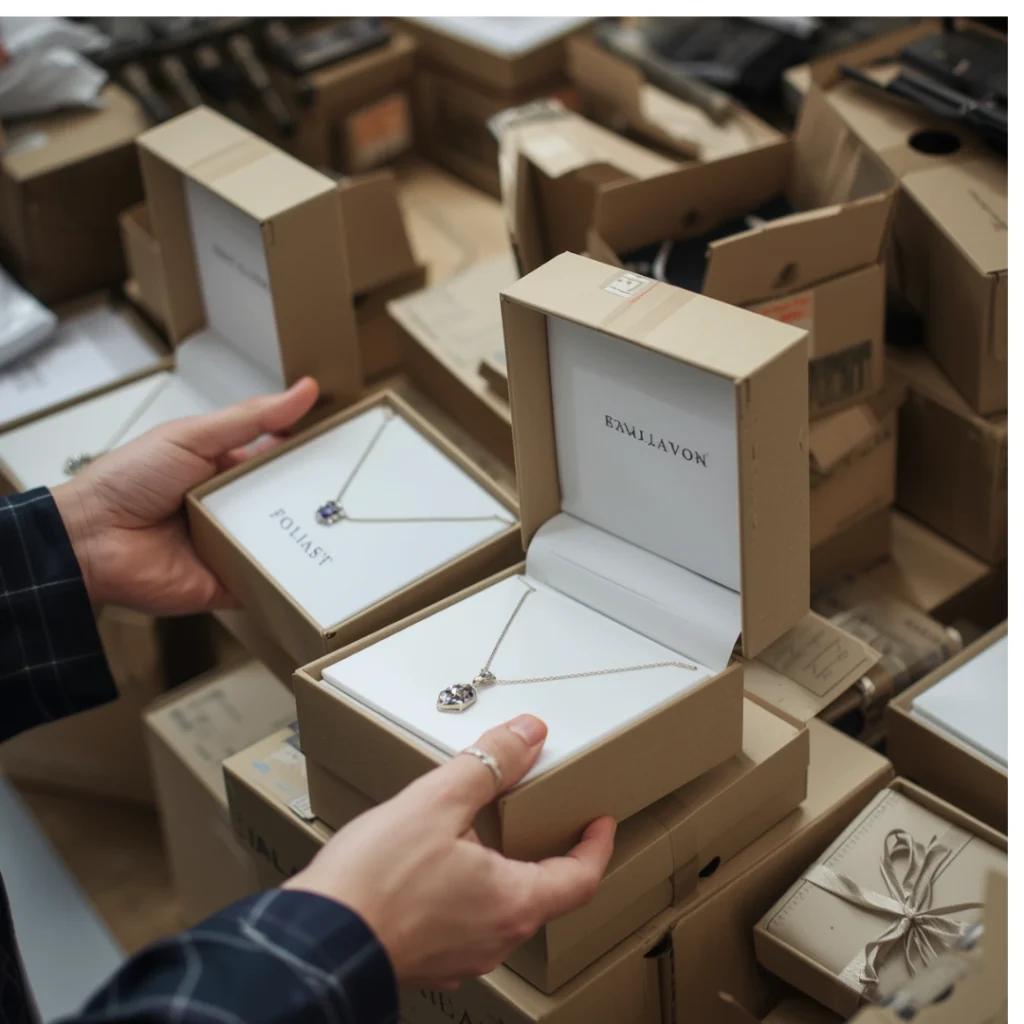
At MJJ Brilliant, we have built our manufacturing and logistics model around exactly these challenges.
We operate a large-scale production and distribution footprint in North America, supporting millions of pieces per year for national retailers and established brands, and we pair that with jewelry-specific logistics: secure warehousing, value-add services (sizing, engraving, finishing), and insured shipping into all major U.S. markets.
For brands ready to pursue a jewelry brand expansion strategy beyond their home region, we design a nationwide distribution plan tailored to the U.S. market that can include:
- Centralized inventory and fulfillment for all U.S. orders
- Wholesale replenishment into chains and independents
- B2B jewelry dropshipping programs
- Fully outsourced logistics integrated with your systems
Our role is to let you test and scale new regions, channels, and partnerships without the burden of opening and operating additional physical locations.
Ready to Map Out Nationwide Scale?
Scaling a jewelry brand nationwide does not have to mean signing leases in every state, over-buying inventory, or building a logistics organization from scratch.
With the right jewelry fulfillment partner and an outsourced logistics model designed for high-value goods, you can reach customers across the U.S. through the channels that matter most—while keeping your fixed costs and operational risk in check. If you’re actively planning your next phase of growth, we invite you to get in touch. Our logistics team will map out a nationwide expansion strategy tailored to your goals, budget, and long-term vision.