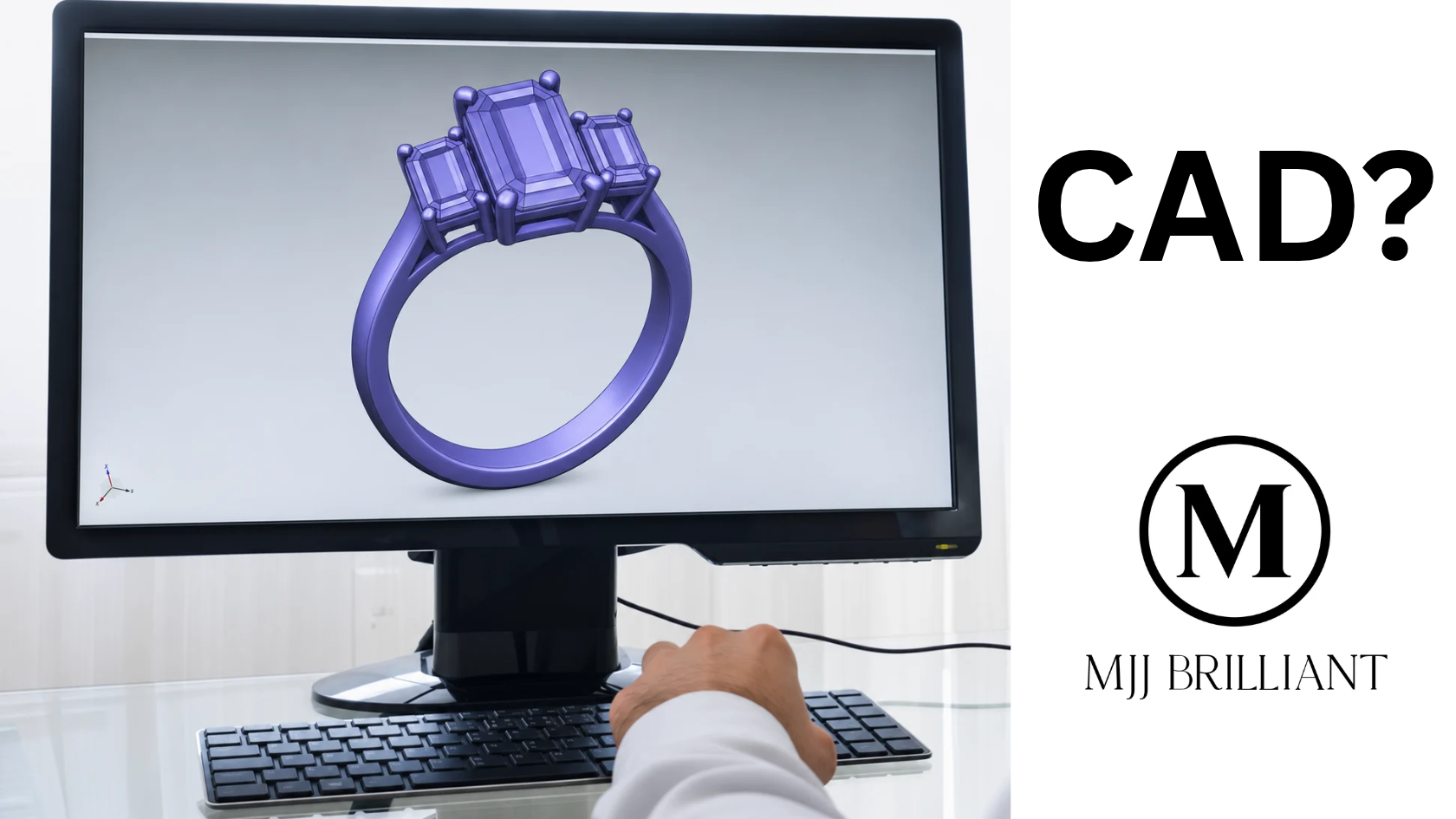
Before a jewelry concept becomes a physical piece, it typically passes through a digital design and refinement stage. A computer-aided design (CAD) model allows brands to examine a proposed piece in three dimensions and review its appearance before sampling.
However, approving a jewelry CAD design based solely on its visual appearance can overlook important manufacturing details. Dimensions, structural components, gemstone settings, wearability, and finishing requirements all deserve attention.
For jewelry brands commissioning custom designs or developing new collections, CAD approval is an opportunity to confirm that the digital model reflects the intended product before moving to physical sampling. For a broader overview of the CAD/CAM jewelry design process, see MJJ Brilliant's related guide.
Why Reviewing a Jewelry CAD Model Matters Before Sampling
Certain dimensions and construction details can influence casting, stone setting, polishing, and the functionality of the finished piece. Identifying questions or potential revisions at this stage can help avoid unnecessary complications during subsequent development.
CAD approval does not guarantee a flawless sample or eliminate the need for further refinement. It establishes a clearer design reference for the next manufacturing stage.
7 Things to Check Before Approving Your Jewelry CAD Design
1. Overall Dimensions and Proportions
Compare the model's length, width, height, and depth against the original design brief, sketches, or reference images.
For rings, review the band width, head dimensions, shoulders, and setting height. For pendants and earrings, consider overall dimensions, visual balance, and how the piece will sit when worn.
Document and decide: Record any measurements that differ from the brief. If proportions are incorrect, mark the affected areas and request a revised CAD model before approval.
2. Wall Thickness and Structural Details
Review the thickness of important structural components, including delicate sections, connecting elements, hollow areas, and the metal surrounding stone settings.
These details should be considered in relation to the design, intended material, and manufacturing method. There is no universal wall-thickness rule that applies to every jewelry piece.
For example, a pendant with delicate decorative connections may require closer technical review to determine whether those elements are appropriate for the intended construction.
Document and decide: Identify components requiring further technical assessment. Ask the manufacturer whether the design needs refinement for the intended manufacturing process before authorizing sampling.
3. Diamond and Gemstone Settings
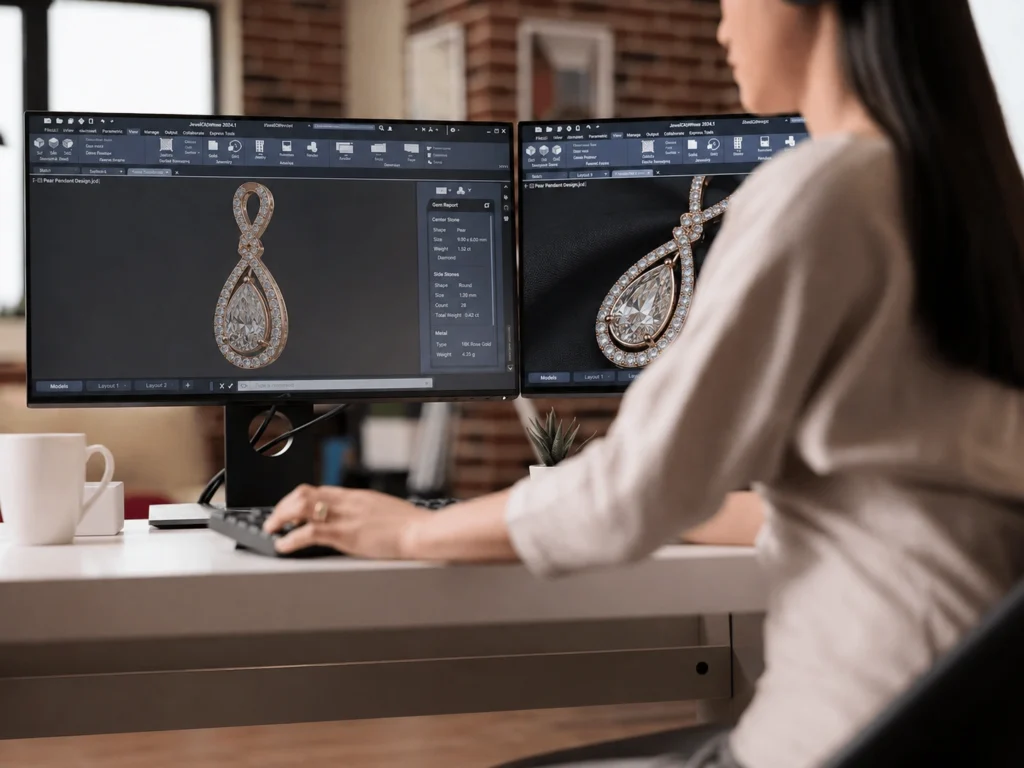
Check that the CAD model reflects the actual stone specifications rather than relying on approximate carat weights alone.
Review:
- Stone shape and physical dimensions.
- Position and orientation of each gemstone.
- Prong placement and proportions.
- Bezel dimensions and stone seats.
- Clearance between neighboring stones and surrounding metal.
Carat weight does not determine a diamond's exact physical dimensions. An oval and a round diamond of the same carat weight have different proportions, so a setting designed around one cannot automatically accommodate the other.
Document and decide: Record the specified stone measurements and any discrepancies between the stones and setting geometry. Request revised dimensions or setting details if the model does not reflect the intended stones.
4. Stone Security and Setting Feasibility
Beyond positioning, examine whether the proposed setting geometry accommodates the intended stone-setting approach.
Consider the metal surrounding each stone, prong positioning, available setting space, and access for the setter to work on the piece.
This is particularly relevant to pavé and closely spaced multi-stone designs, where the available metal between neighboring settings may influence how stones can be secured.
Document and decide: Flag areas where setting access, clearances, or prong geometry may be problematic. Ask the manufacturer or setter to assess these concerns before approving the design. CAD review does not replace physical verification of stone security.
5. Wearability, Comfort, and Function
Consider how the piece will sit, feel, and function when worn.
Depending on the design, review edges and protrusions that may contact skin or clothing, ring band profiles, setting heights, earring balance, fastening mechanisms, bracelet articulation, and connecting elements.
A high-profile ring setting, for example, may look striking from above, but its height and surrounding construction should also be considered from the wearer's perspective.
Document and decide: Identify features that could affect comfort, movement, or everyday use. Request adjustments where the design does not meet the intended wearability requirements.
6. Surface Finishes and Finishing Allowances
Confirm the intended surface finish, whether high polish, satin, brushed, or textured. Identify areas requiring contrasting finishes and consider whether decorative details will remain sufficiently defined after finishing.
Very shallow engraving or texture may become less pronounced during polishing. This should be considered during design review, particularly where fine details contribute to the intended appearance.
Finishing requirements depend on the design, material, and manufacturing process.
Document and decide: Specify the finish required for each relevant surface. Flag details that may lose definition and ask whether they need adjustment before sampling.
7. Branding, Details, and Design Consistency
Check logo placement, inscriptions, hallmarks, decorative elements, and other identifying details against the approved references. Review their proportions, positioning, and legibility.
Examine the CAD model from multiple angles rather than relying on a single rendering. Confirm that all requested revisions have been incorporated.
Document and decide: Record any incorrect or missing details and identify the required corrections. Confirm that the latest CAD version reflects the complete set of agreed design changes.
What Should Be Documented Before Approving a Jewelry CAD Model?
A clear approval record helps prevent misunderstandings between the brand, design team, and manufacturing partner.
Before approving the model, make sure the following are recorded:
- Design specifications: Overall dimensions, ring sizes or other relevant measurements, intended metal, gemstone specifications, setting style, and surface finishes.
- Revision history: The CAD version being reviewed, requested changes, and confirmation that agreed corrections have been incorporated.
- Outstanding concerns: Any unresolved technical questions, proposed adjustments, or details requiring further assessment.
- Approval scope: Whether the approval covers visual appearance, dimensions, materials, stone specifications, or all agreed design details.
Visual approval and technical approval are not necessarily the same thing. Any unresolved manufacturing questions should be identified rather than treated as automatically approved.
What Happens After CAD Approval?
Once the design has been reviewed and approved, it can proceed to the next agreed development stage. Depending on the project and manufacturing process, this may involve preparation for casting and physical sample production.
The sample allows the brand to assess details that may be difficult to judge fully through a digital rendering, including actual proportions, stone placement, comfort, finishing, and overall execution.
Any necessary refinements should be documented and reviewed before authorizing a larger production batch.
Questions to Resolve With Your Jewelry Manufacturer Before Approval
Before giving final approval, make sure you have clear answers to these questions:
- Are there any technical concerns that could affect the intended manufacturing process?
- Which design details require further assessment or revision?
- Have all requested changes been incorporated into the latest CAD version?
- Are any aspects of the design still subject to confirmation during physical sampling?
- What exactly does our approval authorize as the next development stage?
These discussions help establish a shared understanding of the design, outstanding requirements, and responsibilities before sampling begins.
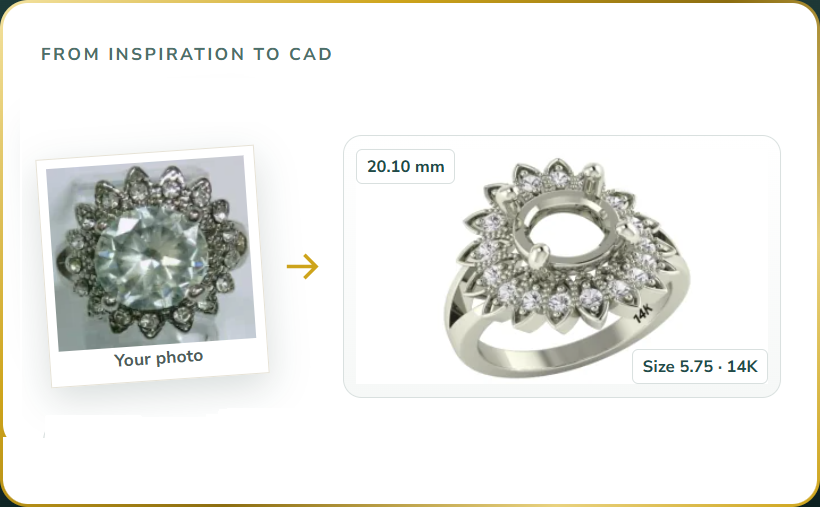
Work With a Manufacturing Partner That Understands the Details
A successful jewelry design needs to work both creatively and technically. Dimensions, construction, gemstone settings, and finishing considerations all influence how a digital concept translates into a physical piece.
Working with a jewelry manufacturing partner that understands these requirements can help brands evaluate their designs more thoroughly during development.
MJJ Brilliant works with jewelry brands on custom manufacturing projects where design requirements and production considerations need to be assessed together.
Have a jewelry design ready for development? We charge $150 USD per design, which includes 3 free revisions! Discuss your CAD, sampling, and manufacturing requirements with MJJ Brilliant.