Diamonds remain an important material in fine jewelry, from engagement rings and tennis bracelets to earrings and pendants. For brands developing new products or expanding an existing collection, choosing which diamonds to source is an important part of product development.
Today, jewelry businesses have two established categories to consider: natural and lab-grown diamonds. Both can be incorporated into fine jewelry, but their origins, supply considerations, and market positioning differ.
The decision should not come down to which category is universally better. It should reflect the brand's identity, intended customer, design requirements, and collection strategy.
This guide explores the practical considerations behind diamond sourcing, including specifications, matching, documentation, and repeat-order planning.
Understanding Natural and Lab-Grown Diamonds
Natural Diamonds: Geological Origin
Natural diamonds form deep within the Earth under high-pressure and high-temperature conditions over geological timescales. They are recovered through mining and subsequently enter the diamond supply chain.
Their geological origin may influence how a brand positions them within a collection. Natural diamonds are available in a broad range of shapes, sizes, colors, and clarity characteristics, although finding a particular combination depends on sourcing requirements and availability.
Brands should identify the desired specifications and determine what supporting documentation they require before sourcing begins.
Lab-Grown Diamonds: Created Through Technology
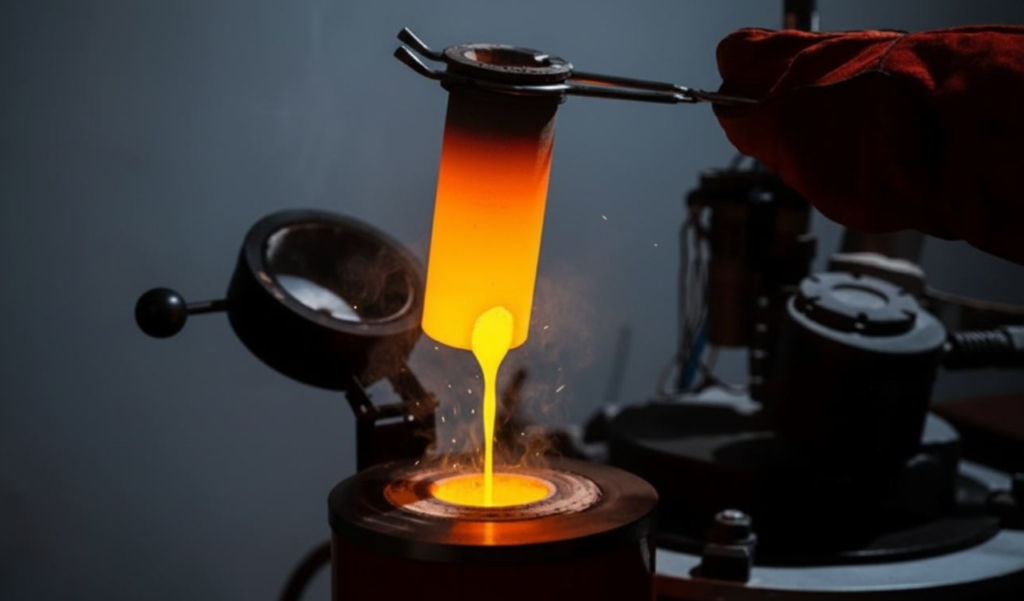
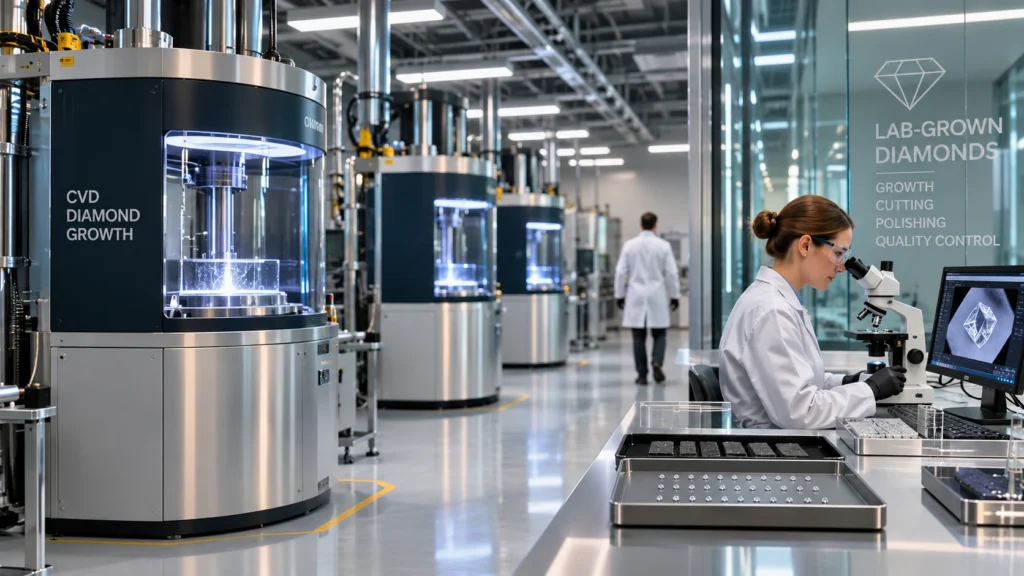
Lab-grown diamonds are created in controlled environments using technological processes that replicate the conditions required for diamond crystal growth.
The two principal methods are High Pressure High Temperature (HPHT) and Chemical Vapor Deposition (CVD). Both produce diamonds with essentially the same chemical composition and fundamental crystal structure as natural diamonds.
Lab-grown diamonds are not simulants such as cubic zirconia or moissanite. Their laboratory origin is the defining distinction and should be accurately represented in product descriptions and internal records.
What They Have in Common
Both categories can be evaluated using the familiar 4Cs:
- Cut: The proportions, symmetry, and finish that influence how a diamond interacts with light.
- Color: The degree of color present.
- Clarity: The presence and characteristics of internal inclusions and external blemishes.
- Carat weight: The diamond's weight, rather than its physical dimensions alone.
Neither origin automatically determines the quality of an individual stone, and a diamond’s cut quality is distinct from its actual shape. Brands should define their quality expectations and documentation requirements independently of the category they choose.
Sourcing Natural Diamonds: Advantages and Considerations
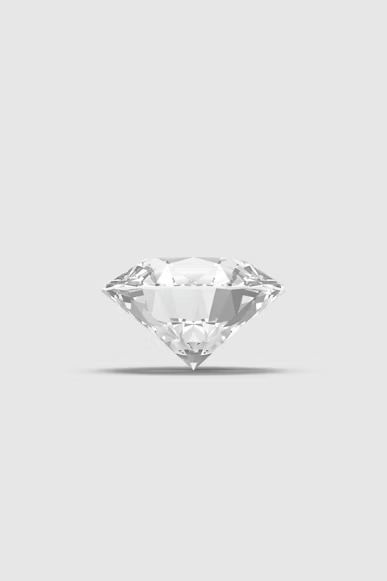
Natural diamonds remain an established choice for fine jewelry brands, particularly those serving customers who specifically prefer gemstones formed through geological processes.
Their long-standing market recognition can support traditional fine jewelry and bridal positioning. Their geological origin may also contribute to product storytelling, provided claims about a particular stone are supported by appropriate evidence.
However, sourcing requires attention to several practical considerations:
- Specifications and availability: Finding a precise combination of shape, dimensions, cut, color, and clarity may require careful sourcing. Distinguish essential requirements from preferences that allow flexibility.
- Matching: Multi-stone designs may require diamonds with consistent visual characteristics across an entire piece or collection.
- Documentation: Determine whether individual grading reports, supplier records, origin information, or other supporting documents are required. These forms of information are not interchangeable.
- Supply-chain considerations: Supplier selection and responsible-sourcing expectations should be part of the sourcing conversation. A diamond's natural origin does not establish its supply-chain history or responsible-sourcing status.
- Repeat production: A suitable parcel for an initial order does not guarantee that an identical selection will be available for replenishment.
For broader context on supplier relationships and provenance, see MJJ's article on direct sourcing for jewelry brands.
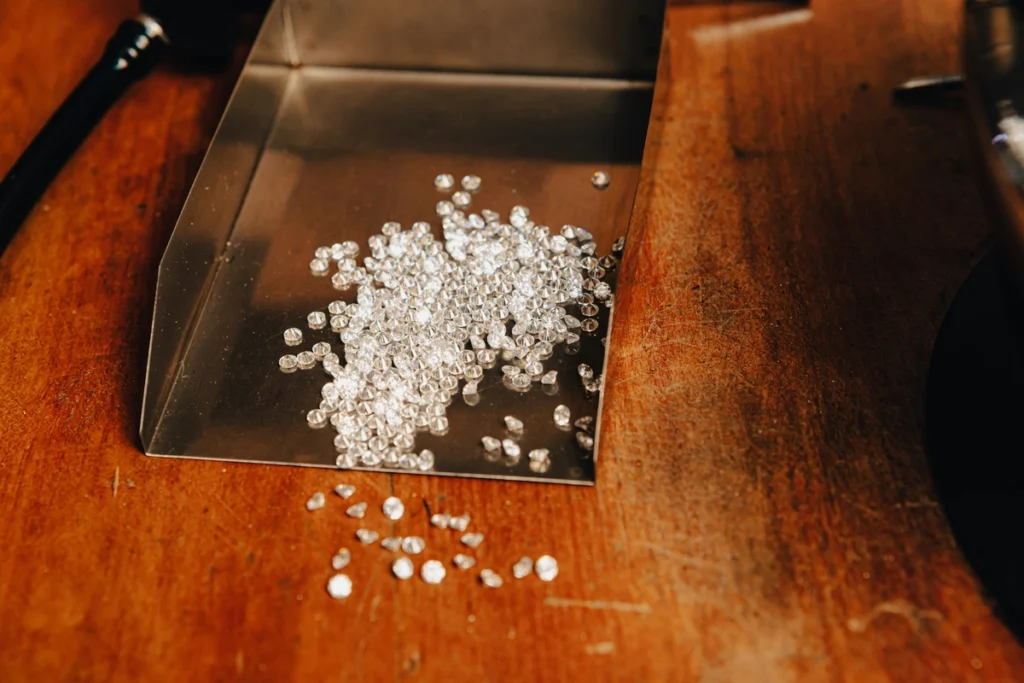
Sourcing Lab-Grown Diamonds: Advantages and Considerations
Lab-grown diamonds provide another option for brands developing fine jewelry collections. Their laboratory origin can support a distinct product proposition, but they still require clear specifications and supplier evaluation.
Potential advantages include:
- An additional product option: Brands can serve customers who specifically prefer laboratory-created stones.
- Design flexibility: Lab-grown diamonds can be incorporated into engagement rings, earrings, pendants, and multi-stone designs.
- Assortment development: They may provide another route for developing product lines aimed at different customer segments.
There are also important considerations:
- Production method: HPHT and CVD are different growing methods. Brands may wish to understand which applies to the stones being considered.
- Quality: Laboratory origin does not automatically indicate a particular level of cut, color, or clarity. Stones should still be evaluated against the brand's requirements.
- Supplier consistency: Confirm whether suppliers can support repeat orders that meet the agreed specifications. Matching and replenishment should not be assumed.
- Market conditions: Supply and pricing can change, so avoid building long-term assumptions around fixed prices or guaranteed availability.
- Disclosure: Customer-facing descriptions should clearly identify diamonds as laboratory-grown.
- Environmental claims: Lab-grown diamonds should not automatically be described as sustainable or environmentally preferable. Production methods, energy sources, and other factors influence environmental impact. Comparative claims require specific, substantiated evidence.
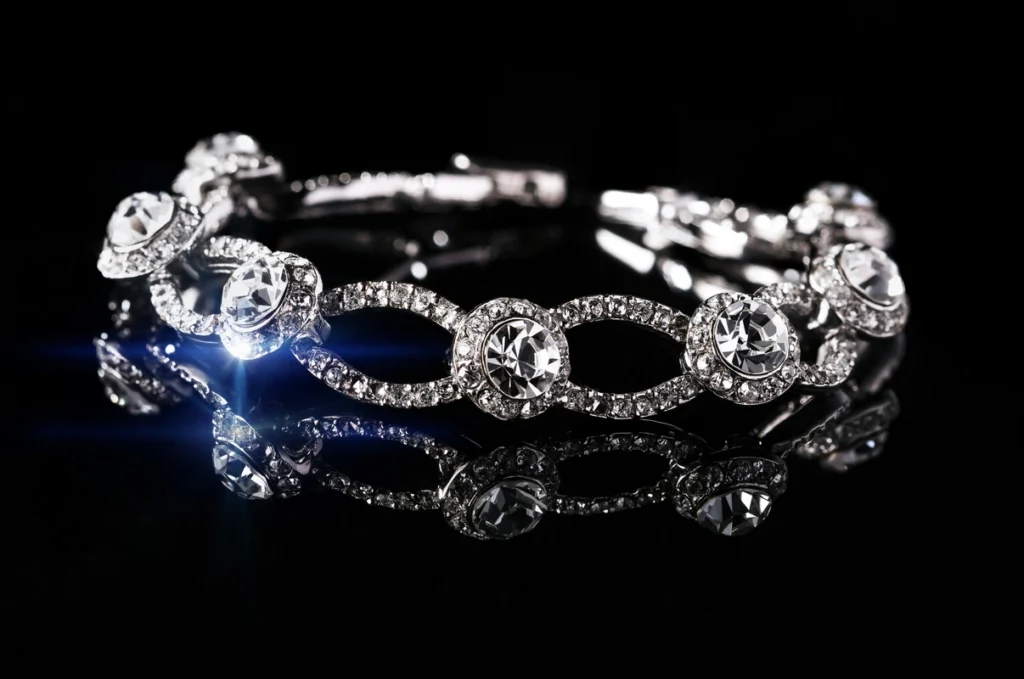
What Jewelry Brands Should Evaluate When Sourcing Either Type
Once a brand has selected its preferred diamond category, the next step is translating the design concept into a practical sourcing specification.
1. Define Diamond Specifications
A sourcing request should provide enough detail for suppliers and manufacturing partners to assess feasibility, identify suitable stones, and understand the commercial requirements.
Establish the following before approaching suppliers:
- Diamond shape: Specify the required shape, such as round, oval, pear, emerald, or princess.
- Size and dimensions: Provide the target diameter or measurements in millimeters, alongside the desired carat weight where relevant. Define acceptable dimensional and weight tolerances rather than relying on approximate descriptions.
- Quality characteristics: Specify the desired cut, color, and clarity grades, including acceptable ranges where flexibility is possible.
- Origin and production method: Identify whether natural or lab-grown diamonds are required. For lab-grown stones, specify whether HPHT or CVD matters to the project.
- Quantity: Estimate the number of stones required per design, SKU, or production run, including anticipated replenishment quantities where known.
- Budget: Provide a target budget or acceptable price range per stone, parcel, or finished design, as appropriate.
- Documentation: Clarify whether individual grading reports, supplier documentation, or other supporting records are required.
Example: Sample Diamond Sourcing Brief
| Requirement | Example specification |
| Diamond origin | Lab-grown, CVD |
| Shape | Round brilliant |
| Target size | 2.0 mm diameter |
| Carat weight | Approx. 0.03 ct per stone |
| Color | D–F |
| Clarity | VS–SI |
| Quantity | 500 stones for initial production |
| Tolerance | Confirm acceptable dimensional and weight variation |
| Budget | Target price range per stone to be agreed |
| Documentation | Confirm available grading or supplier documentation |
Disclaimer: This is an illustrative brief, not a universal specification or indication of MJJ Brilliant's sourcing availability.
Reference images, CAD files, and technical drawings can further communicate design intent, but should support rather than replace written specifications.
The more clearly requirements are defined, the easier it becomes to assess sourcing feasibility, identify potential compromises, and establish whether the project is commercially workable before production begins.
2. Plan for Matching and Consistency
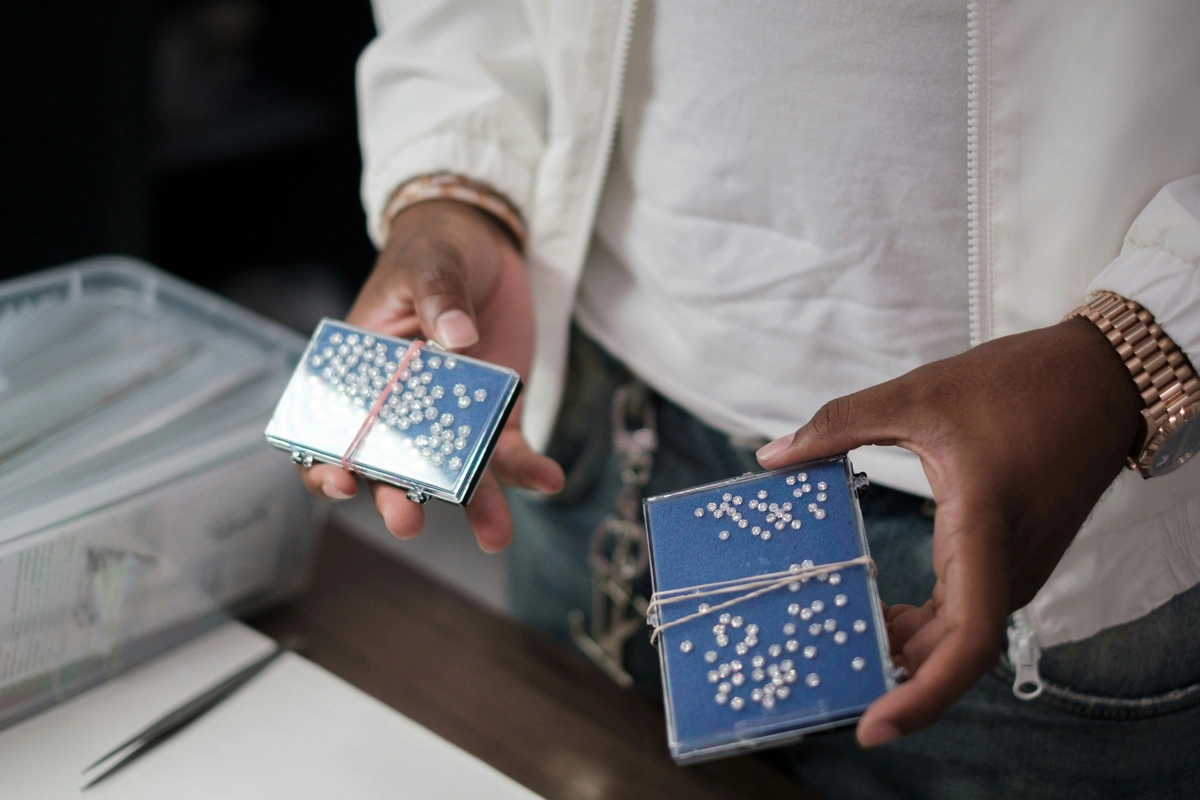
Matching is particularly important in pavé, channel-set, halo, and tennis jewelry, where differences in dimensions, color, clarity, or overall appearance can affect the finished piece.
Brands should establish which characteristics must remain consistent, whether stones need to be supplied as a matched parcel, and how much variation is acceptable.
For example, a brand sourcing round diamonds for a tennis bracelet might specify:
- Size: A target diameter of 2.0 mm, with an agreed dimensional tolerance of ±0.05 mm.
- Color: A defined range, such as D–F.
- Clarity: A specified range, such as VS1–VS2.
- Visual matching: Consistent face-up appearance, including brightness, color appearance, and overall visual uniformity across the parcel.
- Substitutions: Any proposed replacement that falls outside the agreed specifications must be submitted for review, with supporting details or images, and receive written approval before sourcing or production proceeds.
These figures are illustrative rather than universal standards. The appropriate tolerances and grading ranges depend on the design, stone size, setting requirements, and the brand's quality expectations.
Repeat collections require additional planning. Discuss whether the same specifications and visual matching standards can realistically be maintained across future production runs rather than assuming an identical selection will always be available.
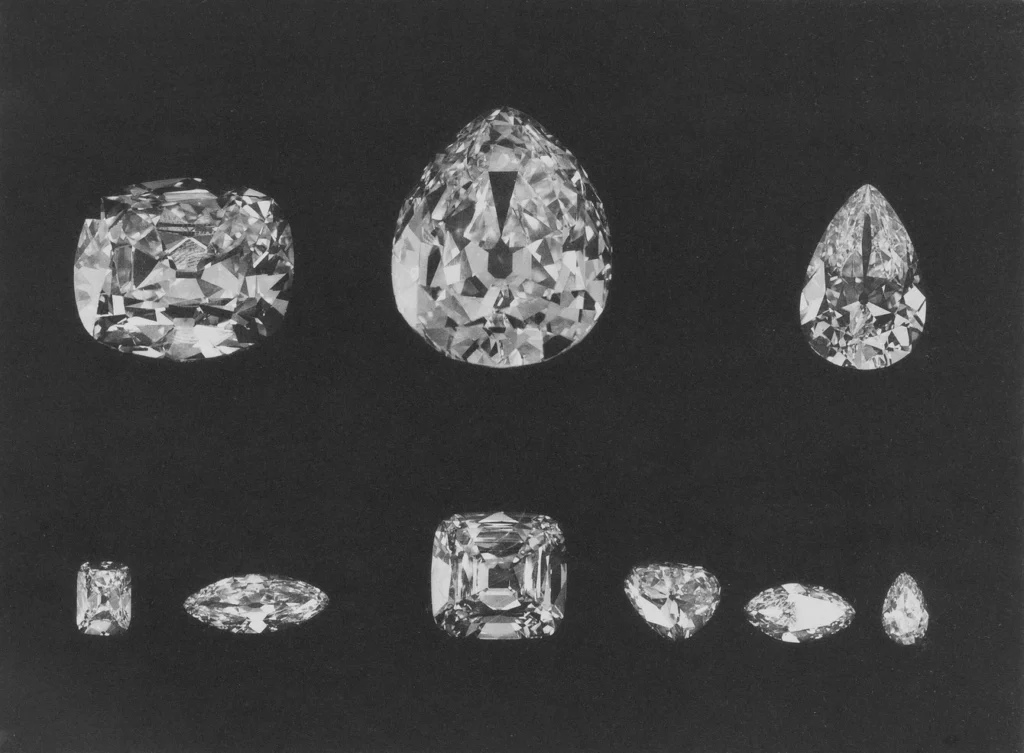
3. Establish Documentation and Disclosure Requirements
Determine early whether individual grading reports, supplier documentation, origin information, or other supporting records are required.
It is important to understand what each document actually establishes. A grading report addresses specified characteristics of a diamond; it should not automatically be treated as proof of complete provenance or supply-chain history.
Brands should also ensure natural and lab-grown diamonds are accurately identified in internal product records and customer-facing descriptions.
Responsible sourcing requires similar care. MJJ Brilliant's 2026 Annual Responsible Sourcing and Human Rights Report outlines its stated due-diligence approach, supplier assessments, and ongoing monitoring. Brands should review the report's actual scope and findings rather than assume that every material has complete origin information or that a particular certification applies to every stone.
4. Consider Future Production
A sourcing decision should account for more than the initial order.
Brands planning to replenish successful designs should discuss repeat-order requirements early. Establish how substitutions or specification changes will be reviewed and approved. A replacement diamond should not be considered equivalent simply because it has the same carat weight; its other characteristics must also meet the agreed requirements.
Can a Jewelry Brand Use Both Natural and Lab-Grown Diamonds?
Yes. A brand does not necessarily have to commit exclusively to one category.
One collection might feature natural diamonds, while another uses lab-grown diamonds. Different customer segments, design concepts, and product strategies may justify different sourcing choices.
Some brands may prefer to specialize in one category to maintain a focused identity. Others may find that offering both provides greater flexibility in assortment planning.
Using both is an option, not a universal recommendation. The decision should reflect the brand's positioning, operational capabilities, and customer expectations.
Maintaining Diamond Origin Identification Throughout Production
For brands working with both categories, there is also an operational consideration: how will natural and lab-grown diamonds be distinguished throughout sourcing and production?
Ask your manufacturing partner how each category is identified, kept separate, documented, and reflected in customer-facing product disclosures.
Clarify how this information is maintained when stones are transferred, substituted, or used across different production runs.
These are due-diligence questions brands should establish with their partners rather than assume a particular identification or documentation process is already in place.
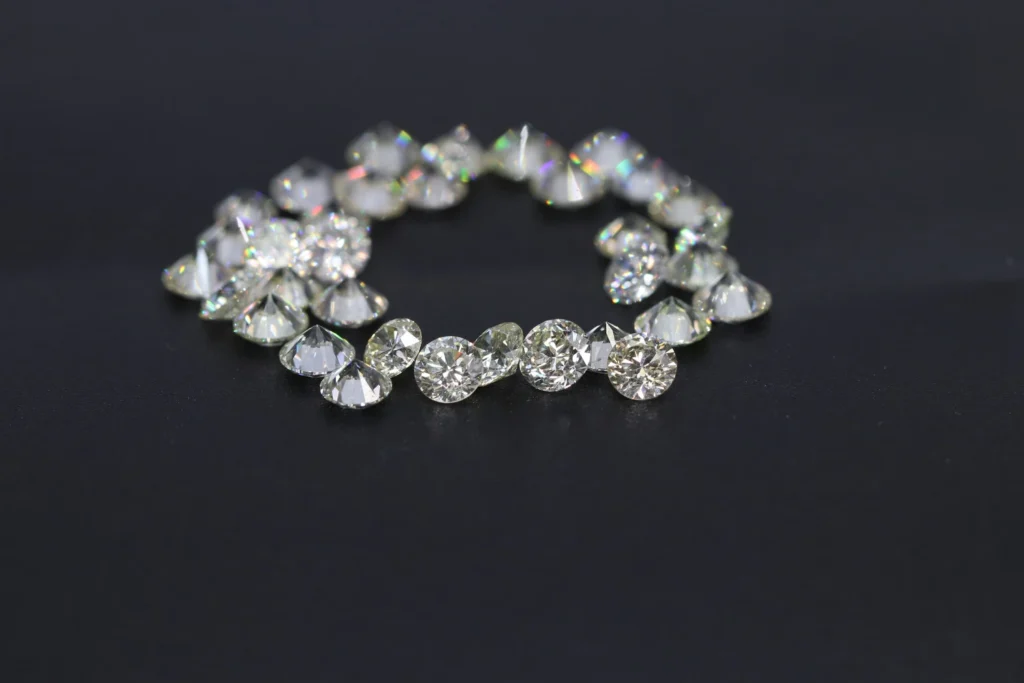
Questions to Ask Your Diamond Supplier or Manufacturing Partner
Before moving forward, use supplier discussions to clarify sourcing feasibility, specifications, and documentation expectations.
- Can you support sourcing for both natural and lab-grown diamonds?
- What specifications do you need to assess our requirements?
- Can you support the shapes, dimensions, and quality characteristics required?
- What grading reports or other documentation are available?
- Can you help source matched diamonds for multi-stone designs?
- How are availability changes or specification limitations communicated?
- Can you support anticipated repeat-order requirements?
- How are natural and lab-grown diamonds identified in sourcing and production records?
- What responsible-sourcing information can be provided, and what are its limitations?
Confirm the answers rather than assuming every supplier offers the same sourcing options or documentation.
Choosing the Right Diamond Sourcing Strategy for Your Brand
Natural and lab-grown diamonds offer distinct sourcing pathways, each with its own origins, supply considerations, and market positioning.
The right choice depends on the brand's identity, intended customer, design requirements, and sourcing expectations. Neither category is automatically the better option for every collection.
A successful diamond sourcing strategy starts with clear specifications, realistic expectations around availability, appropriate documentation, and early planning for matching and repeat production.
A manufacturing partner can help translate a design brief into practical stone requirements and assess how those requirements connect with the finished piece.
Planning a jewelry collection with natural or lab-grown diamonds? Talk to MJJ Brilliant about your product requirements and sourcing needs.