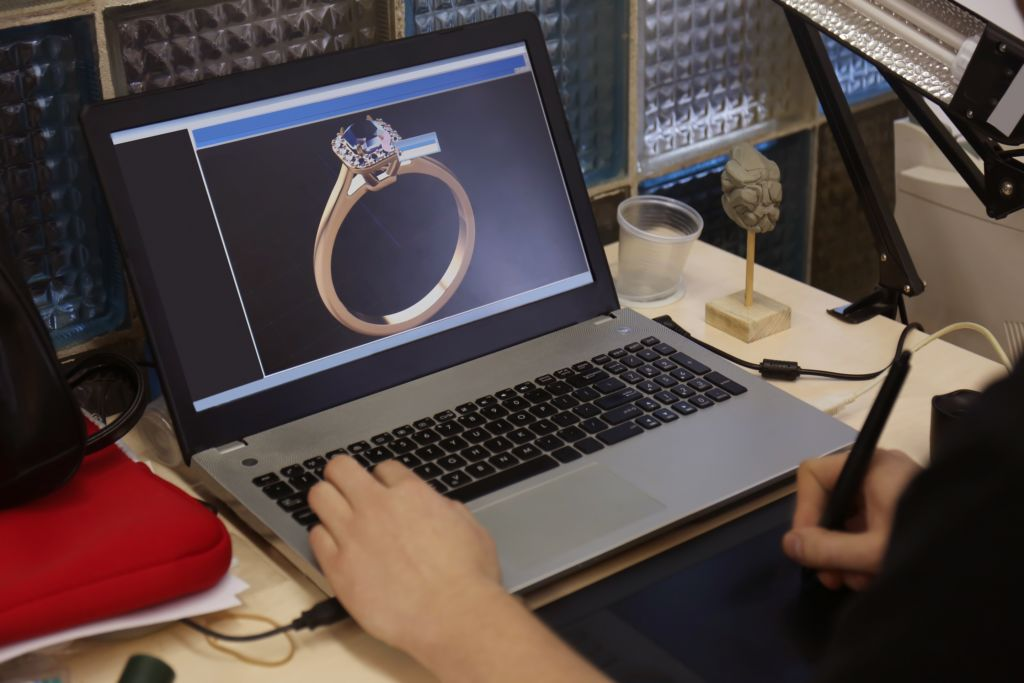
For an e-commerce jewelry brand, the customer experience does not end at delivery. It continues the first time a customer asks, “What do I do if my piece needs repair?”
An online customer may not have a nearby store to visit when a ring needs resizing, a clasp breaks, a stone feels loose, plating wears, or a warranty concern arises.
If the next step is unclear, customers may feel unsupported—even when the original product, checkout, and delivery experience were strong.
A defined jewelry after-sales service pathway gives customers a clear way to request help, understand what happens next, and receive updates without relying on scattered emails or inconsistent support responses. It turns post-purchase service from an afterthought into part of the product promise.
Why Repairs and Warranty Claims Influence Customer Satisfaction
Jewelry often carries both financial and sentimental value, so a service issue can feel personal. A warranty claim or repair request may be the first time a customer tests whether the brand is available after the sale.
Customers generally want to know whether their issue is covered by warranty, repairable, or subject to evaluation; what information to provide; where to send the item; whether they will need to approve additional work; how they will receive updates; and how the piece will be returned.
A brand does not need to promise the same outcome for every request. It does need a consistent way to receive, evaluate, communicate about, and resolve requests. Customers can understand a repair process that requires evaluation. What damages trust is uncertainty about whether anyone owns the problem.
Build an After-Sales Service Pathway Before Customers Need It
An e-commerce brand should define its after-sales service experience before the first service request arrives. Start with a clear place to request help—one that is easy to find through customer support, FAQ, warranty, account, or product-care pages.
Use plain-language policy guidance that explains what customers should submit, what happens after submission, and when further evaluation may be needed.
Separate the initial request from the final repair or warranty decision, because some issues require inspection before coverage, scope, or next steps can be confirmed.
Set expectations for confirmation, requests for information, authorization where needed, status updates, and return notification. Most importantly, make clear who owns the customer relationship.
Whether service is managed internally, through MJJ, or with technology-enabled support, the customer should know the brand remains their point of contact.
For the operational steps behind building a repair workflow—from intake and tracking through completed-work review—read MJJ’s guide to building a wholesale jewelry repair program customers trust.
Make Warranty Claims Easier to Understand
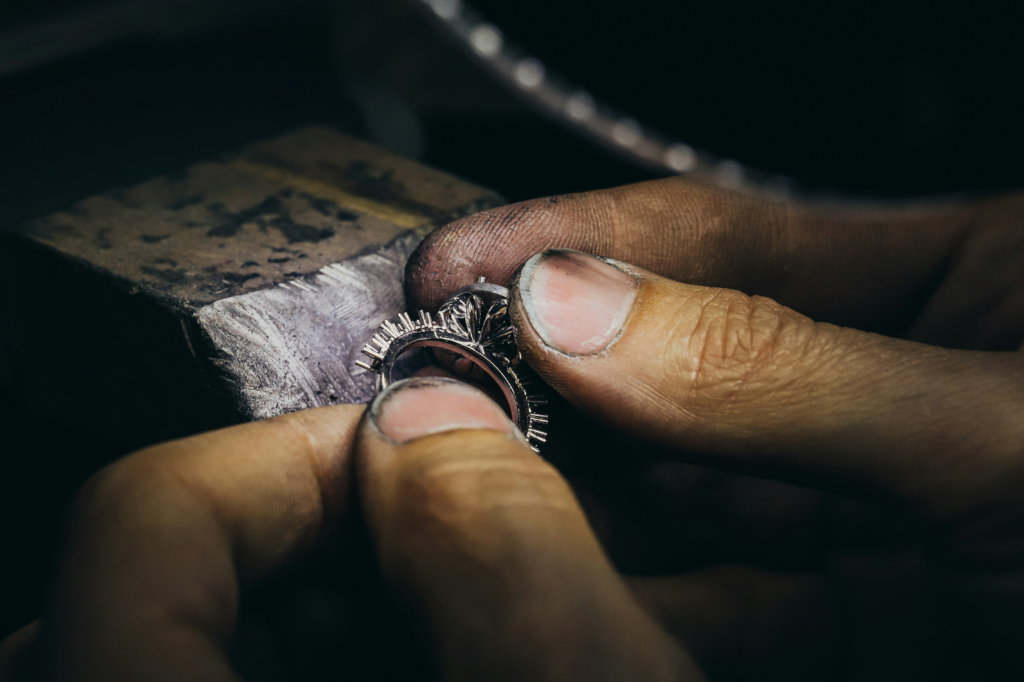
A warranty page should help customers understand the process, not simply list exclusions. Make it clear what types of issues may be eligible for review, what order or purchase information is required, whether photos, videos, or item shipment may be requested, and when physical evaluation may be necessary.
Also explain what happens if an issue falls outside the warranty policy but may still be repairable.
This distinction matters: a warranty claim concerns eligibility under the brand’s policy, while a repair request concerns what work may be possible and what authorization is required.
Each DTC brand should establish and communicate its own customer-facing warranty policy. Do not use warranty language as a marketing promise the service team cannot operationally support.
Give Customers Confidence Through Clear Repair Communication
Clear communication is the core of online jewelry customer service after delivery. Useful touchpoints include confirmation that the request was received, notice when additional images or order details are needed, and an explanation when the repair scope, warranty decision, or customer action changes.
Keep customers informed while the item is being evaluated or serviced, then notify them when the work is complete and the item is being returned. Avoid making customers repeat their story to multiple support contacts.
A coherent experience should continue even when support teams, repair specialists, and external partners are involved.
A repair process feels more trustworthy when the customer never has to wonder whether their request disappeared into an inbox.
RESHYNE: A Digital Repair Pathway for E-Commerce Brands
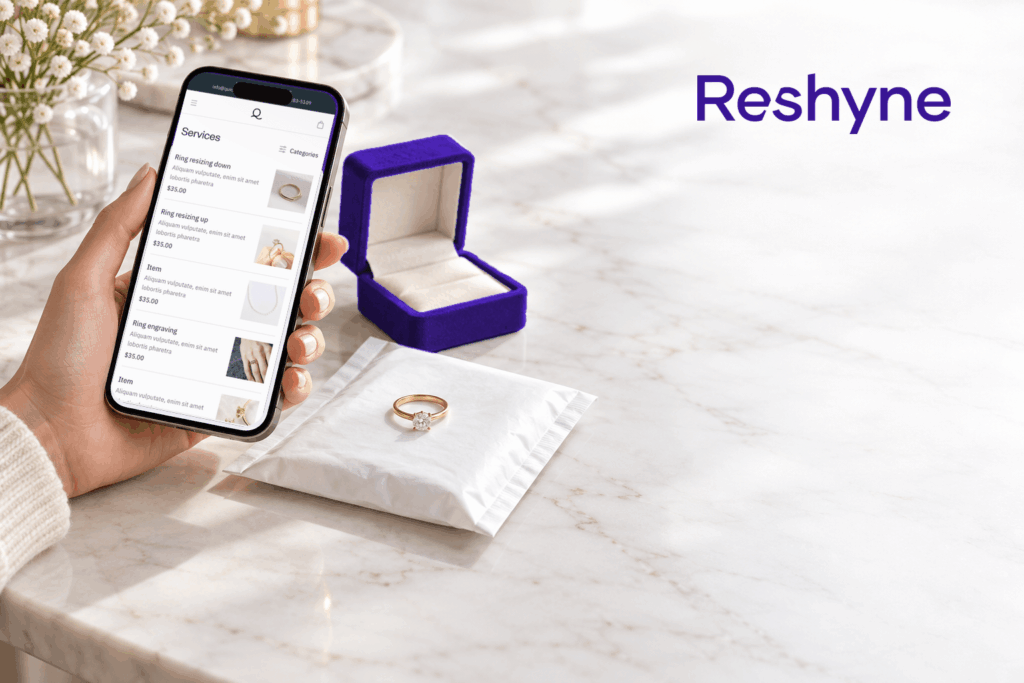
Our sister company RESHYNE gives e‑commerce brands a fully branded repair storefront that transforms post‑purchase service into a smart, revenue‑generating experience.
Instead of forcing customers through fragmented support channels, brands can offer a dedicated repair portal where customers self‑initiate service requests, provide repair details, and pay online—all within a workflow that reflects the brand’s identity.
With RESHYNE, you can:
- Streamline repair intake with customizable menus featuring 47+ pre‑loaded services.
- Automate order conversion from sales to detailed work orders, ensuring accuracy and efficiency.
- Track customer preferences and manage repairs across multiple locations with real‑time updates and notifications.
- Coordinate vendors and partners while keeping customers, jewelers, and stakeholders informed at every step.
- Leverage analytics dashboards to identify top‑performing services, monitor turnaround times, and uncover new revenue opportunities.
The platform integrates with leading e‑commerce systems and business applications, with custom integrations available to fit your operations. Whether you already offer repairs or are introducing them to your customers, RESHYNE helps you increase customer loyalty, improve after-sales service, extend lifecycle value, and unlock new revenue streams.
Explore RESHYNE’s jewelry and watch repair platform to confirm current features, integration options, and commercial fit for your brand.
Where MJJ Fits Into the After-Sales Repair Conversation
A repair partner supports the technical side of after-sales care; the brand still owns the promise it makes to its customer.
MJJ partners with jewelry e‑commerce and DTC brands as a wholesale repair provider, with the ultimate goal of building and enhancing their after‑sales repair support.
The brand retains ownership of the customer relationship and its customer-facing warranty policy, while MJJ can discuss repair categories, documentation needs, workflow responsibilities, and operational fit for the specific program.
MJJ publicly lists repair services including resizing, reshaping, soldering, prong re-tipping, shank repair, stone setting, engraving, electroplating, cleaning, polishing, watch work, and custom projects.
The suitability of any service should be evaluated for the specific item and program. Explore the strategic case for outsourced jewelry repair support.
Treat After-Sales Care as Part of the Product Experience
E-commerce jewelry brands are judged not only by the piece that arrives in the box, but also by how they respond when that piece later needs attention.
A stronger after-sales experience includes a discoverable repair and warranty pathway, clear policy language, consistent communication, a defined evaluation process, and a customer-focused return and follow-up plan.
Talk to MJJ about after-sales repair support for your e-commerce jewelry brand. Share the warranty and repair questions your customers receive, your current support workflow, and the service experience you want to build after delivery.