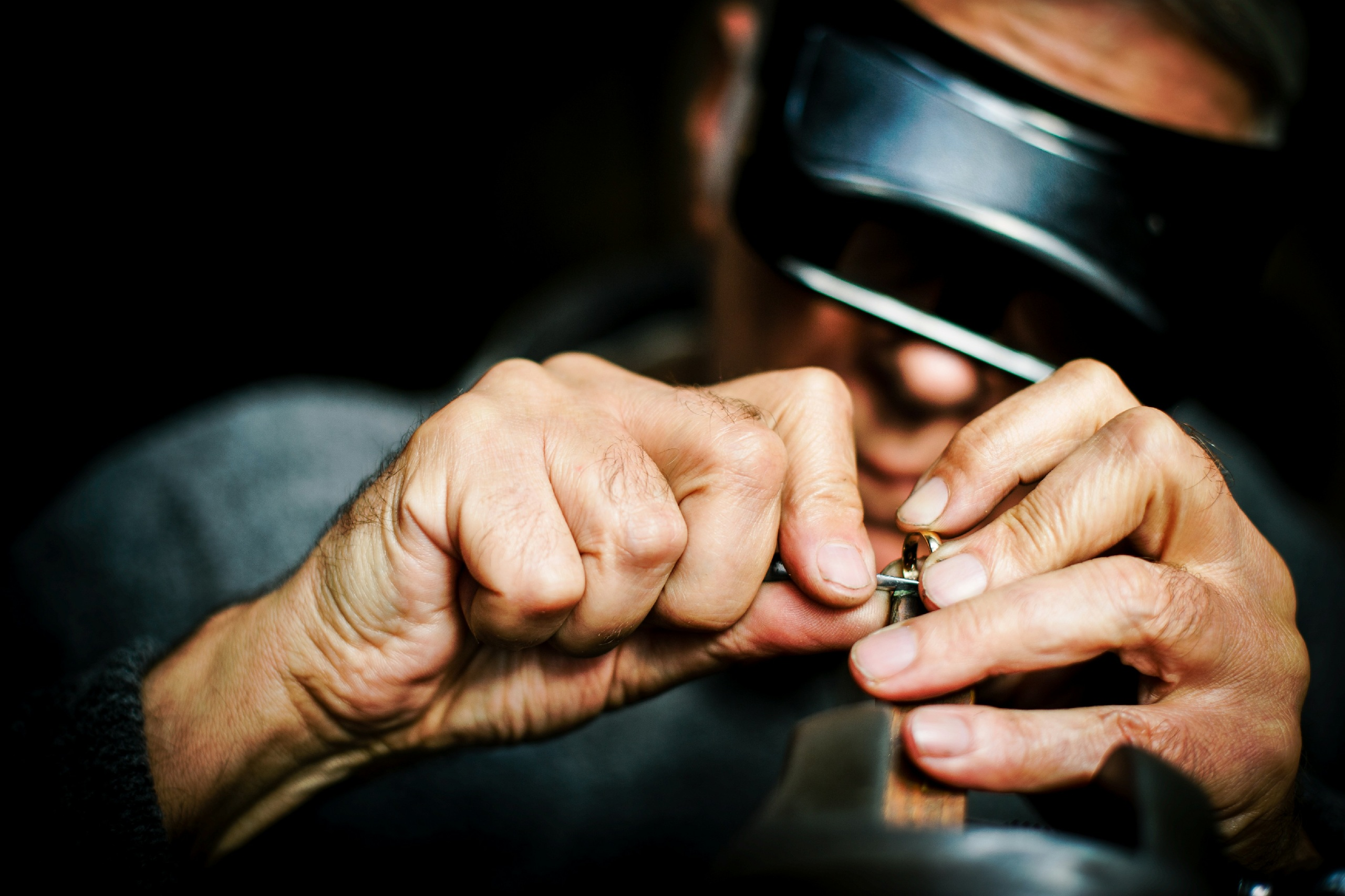
If you run a jewelry store, this scene will feel familiar: our lone bench jeweler is buried under a tray of ring sizings, prong checks, and chain repairs.
New jobs keep coming in, the phone rings with customers asking for updates, and sales staff are constantly walking repairs back and forth instead of being on the floor selling. What looks like “good service” on paper quietly turns into bottlenecks, overtime, and frustrated clients.
We see repair very differently. For us, repair is a profit and loyalty engine, not just a necessary evil. Done well, it keeps clients coming back, protects the pieces they care about most, and creates natural opportunities for additional sales. That is why more smart retailers are outsourcing jewelry repair services to specialized partners.
However, many are doing it reactively—sending work out only when they are underwater—or choosing partners based purely on price. In this article, we unpack the hidden cost of in‑house repair, the real benefits of outsourcing, the mistakes retailers commonly make, and what to look for in a wholesale jewelry repair partner.
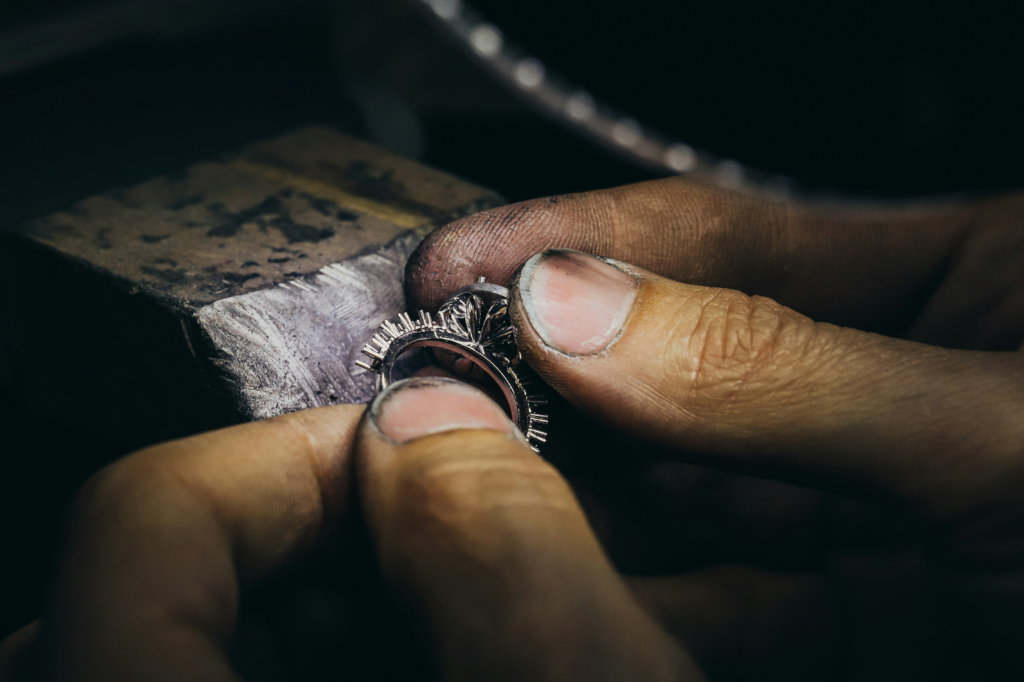
The Real Cost of Keeping Repairs In‑House
When we talk to retailers, we often hear, “We do repairs ourselves because it’s cheaper.” In practice, that is usually an illusion.
First, there is labor and idle time. A full‑time bench jeweler’s salary plus benefits is a fixed expense, regardless of whether there are five jobs or fifty on the bench that day.
Many stores end up paying for what effectively amounts to part‑time repair volume at full‑time cost, with long gaps of idle time that become pure overhead.
Then we have equipment and overhead. Torches, microscopes, polishing motors, ultrasonic cleaners, laser welders, extraction, insurance, and compliance all add up quickly.
Matching the capabilities of a dedicated wholesale jewelry repair facility requires significant capital—and ongoing maintenance and upgrades just to stay current.
Finally, there is training and risk. Modern repair work includes prong rebuilding, invisible settings, antique restoration, platinum work, and complex mixed‑metal structures.
Keeping a single bench jeweler fully current is challenging; a mistake on a high‑value or sentimental piece can erase the profit from dozens of successful repairs and damage your reputation in the process.
By contrast, the right partner gives you access to a deeper bench of skills, processes, and quality checks—without putting all of that risk on your balance sheet.
How Outsourcing Repair Strengthens Your Business
We see outsourcing not as a race to the lowest cost, but as a way to realign your resources around what you do best.
You gain cost efficiency without full‑time overhead. With a structured repair service for jewelry stores, you pay per job instead of carrying fixed bench‑jeweler costs year‑round.
This model is especially powerful for independents, multi‑location chains with uneven volume, and e‑commerce brands whose repair demand fluctuates by season or campaign.
You unlock specialized skills and technology. A dedicated partner handles a wide spectrum of work every day: ring resizing and reshaping, stone setting and replacement, complex metalwork, engraving, electroplating, watch repair, and structural rebuilds.
They invest in multiple laser welders, plating lines, XRF testing, and magnification standards that would be difficult for a single store to justify.
You can scale smoothly through peak periods. Holidays, the post‑engagement season, and marketing pushes all create spikes in repair.
An outsourced retail jewelry repair program can absorb those peaks without you hiring temporary staff, adding benches, or saying “no” to work you could otherwise capture.
You free your team to focus on revenue. When we take bench work off your plate, your staff can focus on selling, merchandising, marketing, and clienteling instead of managing repairs all day.
That shift alone can change the economics of your store more than any small saving on a single solder or sizing.
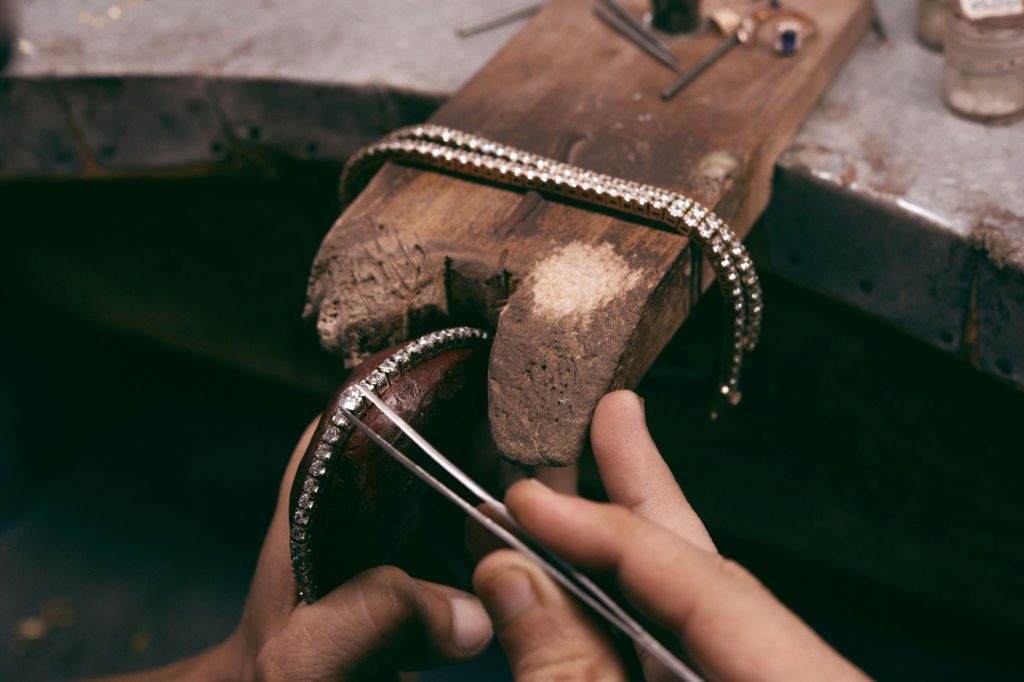
Where Retailers Go Wrong With Outsourcing
Even experienced operators make the same avoidable mistakes when they start outsourcing.
Chasing the cheapest ticket instead of the right partner. If we optimize only for the lowest per‑repair price, we often see the tradeoff in slower turnaround, inconsistent work, or a narrow service menu.
One bad repair on an engagement ring or heirloom piece costs more in lost lifetime value than the small amount saved on that job. Your branding is on the front of the store, not your vendor’s.
Running without service level agreements. Too many retailers send work out with no clear SLAs: no defined standard and rush turnaround times, no expectations on communication, packaging, or how re‑do’s and warranties will be handled.
The result is unpredictability for your team and your clients—pieces come back “when they are done,” and staff cannot give confident ETAs.
Ignoring the customer experience layer. Some stores treat their partner like a black box. We recommend designing a branded, transparent repair journey instead: a clear intake process, realistic timelines, and proactive updates.
Customers rarely care who is physically at the bench; they care about clarity, speed, and the condition of their jewelry when it comes home.
Leaving repairs out of the revenue strategy. Finally, repair is often treated as a cost center rather than as a revenue and insight engine.
When we integrate it into the overall strategy, we can offer cleaning and replating while items are in‑house, capture feedback about recurring product issues, and use every repair touchpoint to drive repeat visits and relevant upsells.
What We Recommend in a Wholesale Jewelry Repair Partner
When we help retailers evaluate a wholesale jewelry repair provider, we focus on a few essentials—and we mention MJJ Brilliant early because we stand behind the program we describe.
We offer a wide range of services, including ring resizing, reshaping, soldering, prong re‑tipping, shank repairs, stone setting, engraving, electroplating, cleaning, polishing, watch work, and custom projects.
These are available across gold, silver, platinum, palladium, stainless, and mixed metals, with expertise in both diamonds and colored stones.
Look for quality and expertise at scale: specialized bench jewelers working full‑time on repairs, supported by a robust QC process—inspection under magnification, stone‑tightness checks, and plating thickness controls before anything is shipped back.
Insist on clear turnaround times and logistics: documented SLAs (for example, five to seven business days standard with expedited options), straightforward shipping and labeling workflows, and ideally discounted or included shipping so your team is not improvising every time.
And make sure the partnership structure works for your business: true wholesale pricing with volume‑based benefits so you can build healthy margin into your repair menu, low or no minimums so smaller locations can participate, and the ability to support independents, multi‑location chains, and e‑commerce brands alike.
Quick Jewelry Repairs is one example of this model—our sister company and B2B fine jewelry and watch repair branch, powered by MJJ Brilliant’s manufacturing infrastructure and wholesale program, built specifically to act as an extension of your operation rather than a generic vendor.
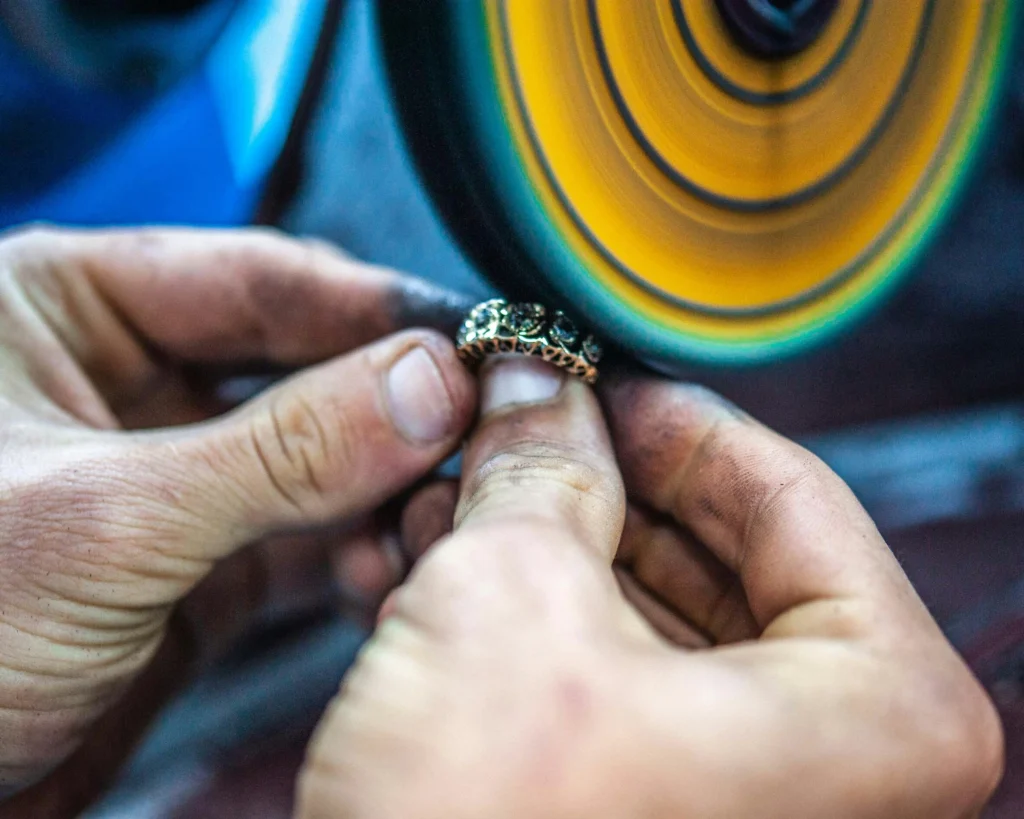
Bringing It All Together
In‑house repair carries more hidden costs and operational risk than many retailers realize. Outsourcing to the right wholesale jewelry repair specialist gives you cost efficiency, consistent turnaround, and access to expert craftsmanship—if you treat it as a strategic partnership, not a last‑minute band‑aid.
If you are re‑evaluating how repair fits into your business, we invite you to learn about our wholesale jewelry repair program for retailers.
Visit our contact page to start the conversation; we will review your current repair volume and processes, and outline how a structured partnership could reduce costs, improve turnaround times, and strengthen the experience you deliver every time a customer trusts you with their jewelry.