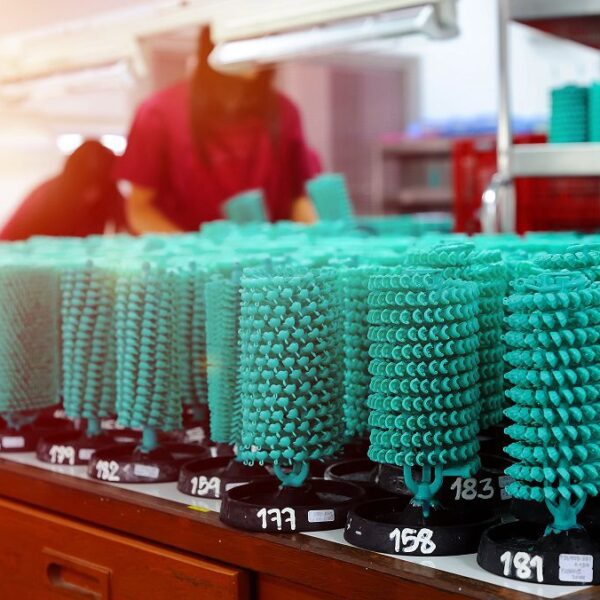
For brand owners and product teams, “full‑service” custom jewelry manufacturing matters only if it delivers predictable quality, timelines, and margins.
A true custom partner should be able to take a concept from sketch to a finished piece at scale, without losing control of design intent or cost at any stage.
For over forty years, MJJ Brilliant has perfected a made-to-order jewelry production process that ensures repeatability, rigorous quality control, and scalable outcomes.
We work with private-label and branded jewelry lines, offering flexibility—no minimum order requirements, fast 2–3 week turnaround for many repeat styles after designs get approved, and solid experience across both fine and demi-fine categories.
We’re RJC-certified, and always use recycled precious metals throughout our casting process. So brands get both strong sustainability credentials and reliable production.
This guide takes you through our entire custom jewelry manufacturing journey—from the very first conversation to the final polish. You'll see how each stage affects quality, timing, and cost along the way.
How Full‑Service Custom Manufacturing Is Structured
MJJ runs custom programs in three main phases to make sure creative ideas and real production stay in sync:
- The first phase is discovery and technical scoping. Here, everyone gets clear on what the collection should look like, the target price, materials, and where it’ll be sold. They lock in timelines and order volumes too—whether it’s made-to-order, no minimums, or higher quantities.
- Next comes design and engineering. This is where rough concepts turn into actual CAD files, prototypes, and the right tools using CAD/CAM tech, 3D printing, and CNC wax milling.
- Finally, there’s production and finishing. That includes making molds, casting, assembling, treating surfaces, setting stones, final finishing, quality control, and shipping out.
Whether a brand shows up with a fully developed line sheet or just a reference sample and price goal, MJJ’s process runs smoothly for both.

Phase 1: Discovering Brand Needs & Technical Scoping
Every custom project begins with a structured discussion between the brand and MJJ’s product and operations teams.
The goal of this phase is to define:
- Design direction and category mix (e.g., bridal, fashion, men’s, demi‑fine).
- Metal and stone choices (gold karatages, alloys, lab vs. natural, alternatives).
- Target retail price bands and margin expectations.
- Volume profile (ongoing programs, tests, seasonal drops, or replenishment).
- Sales channel and compliance needs (national retailer, e-commerce marketplaces, DTC).
Since the production model is made-to-order, brands don’t need to worry about minimum order requirements. They can test new designs with small batches, see how customers respond, and ramp up production when a product takes off.
There’s no need to switch factories or overhaul the workflow. This flexibility really pays off for launching new lines, chasing quick trends, or creating exclusive products for retailers, especially when demand isn’t clear right away.
Labor Economics and Why Location Matters
For many brands, part of evaluating a “full‑service” partner is understanding why certain production models are no longer viable in the U.S. at scale. Labor is the single largest driver.
“The cost of labor has gone up dramatically worldwide. There really is no such thing as ‘cheap labor’ anymore—especially not in the United States,” says Jason Yakubovich, COO of MJJ Brilliant. “It’s almost impossible to build a large‑scale jewelry factory in the U.S. unless your customers are paying big bucks.
You cannot hire a skilled polisher, stone setter, or bench jeweler for under about $30 an hour, and that reality is why so many local brands still look overseas for lower costs.”
MJJ’s North American model—RJC‑certified production, no MOQs, and made‑to‑order capabilities—gives brands a way to reconcile that labor reality with the quality and responsiveness they need, without defaulting to far‑flung, harder‑to‑control supply chains.
Phase 2: Design, CAD & Prototyping
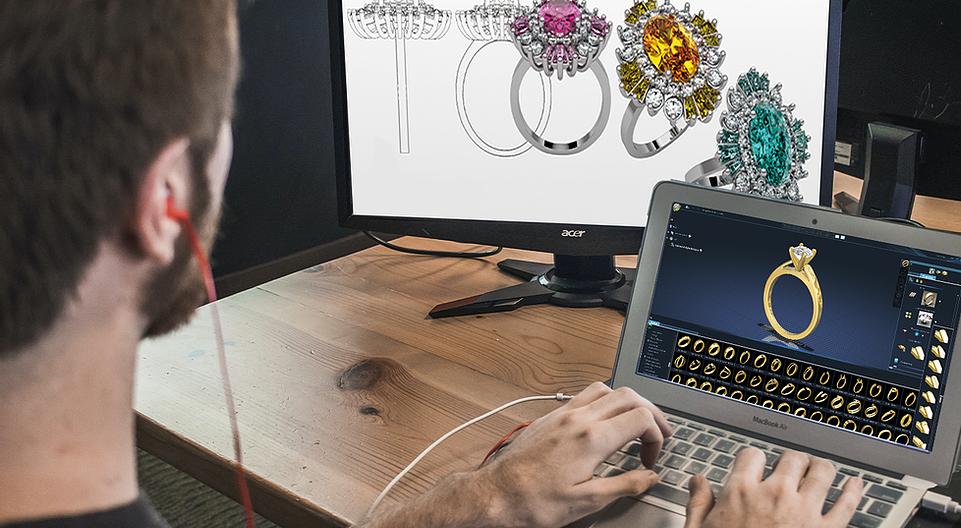
Once the scope and targets are defined, the design and engineering phase converts ideas into production‑ready digital models.
CAD/CAM and 3D Modeling
MJJ’s CAD team builds detailed 3D models that incorporate stone tolerances, wall thicknesses, prong geometry, and assembly logic. These CAD files become the single source of truth for:
- 3D‑printed wax or resin prototypes.
- CNC‑milled wax masters.
- Direct metal tooling for certain high‑volume applications.
Large, high‑detail pieces such as chunky Cuban‑link chains can be 3D‑printed as continuous models and cast in a single shot where appropriate tolerances and metal flows are achievable.
For simpler geometries like plain wedding bands, X and Y‑axis machinery cuts precision profiles from tubes, with final dimensions and comfort‑fit details controlled by the finishing team.
Eternity bands and other stone‑intensive profiles are often routed through automated systems that both cut the metal and seat lab‑grown stones for efficiency, while natural diamonds and precious stones are reserved for specialist hand setters.
These engineered workflows balance aesthetics with structural integrity and cost, and they are also where MJJ selectively introduces automation to support scale.
As Jason explains, “At MJJ Brilliant, we push hard to keep up with technology and automate wherever it makes sense, because labor today is not what it was 10 or 20 years ago.”
Decisions at this stage directly impact cost, durability, stone security, and repeat-order consistency—but most importantly, they shape the client–manufacturer relationship.
Phase 3: Tooling & Mold Making
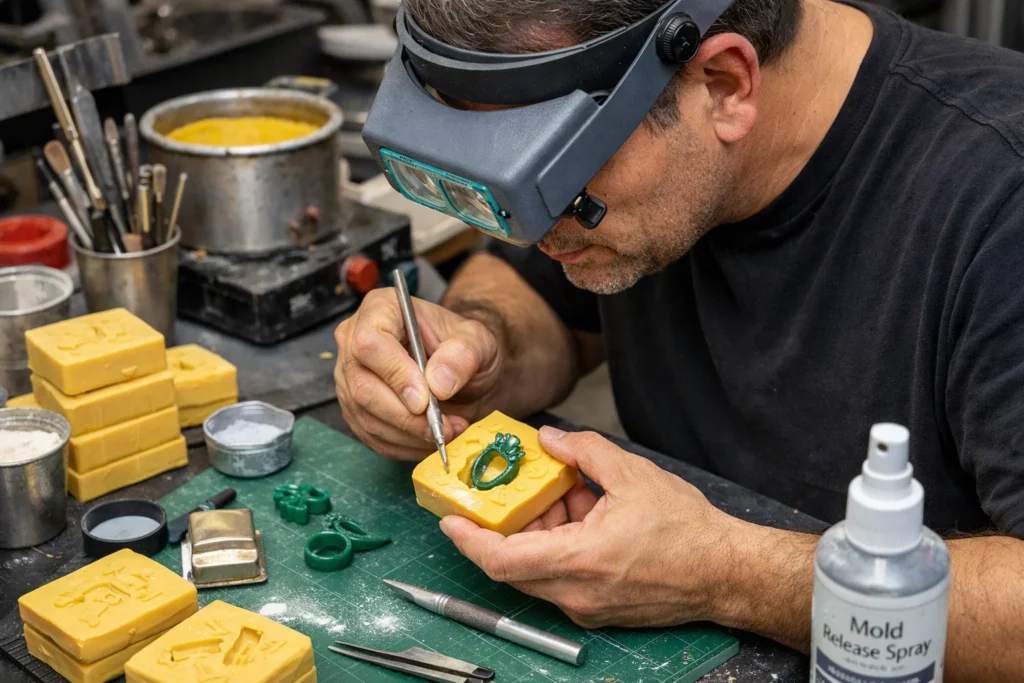
Before casting begins, tooling choices determine how consistently a design can be reproduced and at what cost per unit.
MJJ uses three primary mold types, selected based on application:
- Silicone molds – Ideal for detailed fashion and demi‑fine pieces requiring high fidelity and flexibility. These molds capture fine textures and are suitable for moderate to high volumes.
- Rubber molds – Common for many fashion jewelry lines, where durability and accuracy are both important. Frequently used when rapid duplication of a master model is required.
- Metal molds – Reserved for heavy‑duty applications such as championship‑style rings, signets, and other high‑volume SKUs where dimensional stability and cycle consistency are paramount.
For most fashion and demi‑fine programs, rubber and silicone molds provide the best balance of precision and cost. Metal tooling is recommended where the economics of volume and product architecture justify the upfront investment.
Casting in Recycled Precious Metals
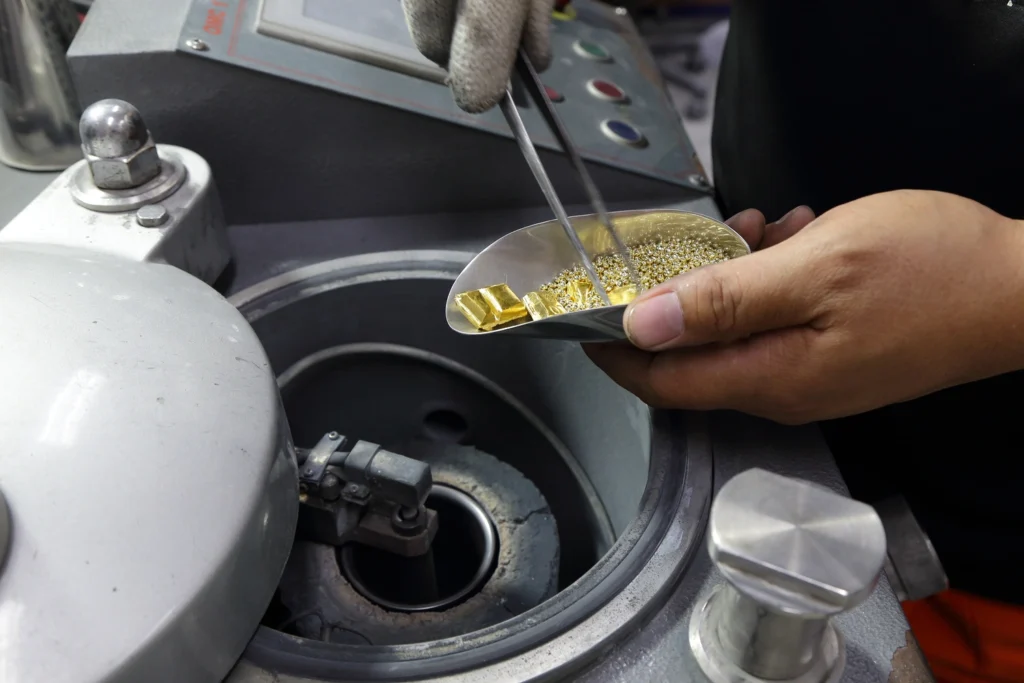
With molds ready, the project moves into casting. MJJ primarily uses the lost‑wax (investment) casting method, a long‑standing standard in fine jewelry manufacturing. In this process:
- Wax or resin patterns are created from molds and assembled onto a “tree.”
- The tree is encased in investment material to form a mold.
- The mold is heated so the wax burns out, leaving a cavity in the exact shape of the original models.
- Molten metal is poured or vacuum‑pulled into the cavity.
- Once cooled, the investment is removed, and individual castings are cut from the tree.
MJJ performs both high‑ and low‑temperature casting depending on metal type. Typical metals include:
- 10–18 karat gold alloys
- Sterling silver
- Platinum
- Selected bronze and brass alloys, with rhodium or other platings as required
As an RJC‑certified operation, the company prioritizes recycled precious metals and documented supply chains, giving brands a compliance‑ready foundation for their ESG narratives. Casting parameters are engineered per design to minimize porosity, shrinkage, and distortion, which directly affects stone‑setting performance and finishing time.
XRF Verification of Metal Purity and Plating Thickness
X‑ray fluorescence (XRF) testing is used throughout the process to verify both metal purity and plating layer thickness without damaging finished pieces.
By directing a controlled X‑ray beam at the jewelry surface, the analyzer reads the characteristic fluorescent energy from each element. It calculates the alloy composition in seconds, confirming that gold, silver, or platinum content meets the specified standard.
The same measurement also distinguishes between substrate and coating, allowing MJJ to confirm microns of gold, rhodium, or other platings in line with ASTM‑style coating thickness guidelines—thick enough for durability and tarnish resistance, but not so heavy that material costs erode margins.
Assembly, Laser Welding & Structural Integrity
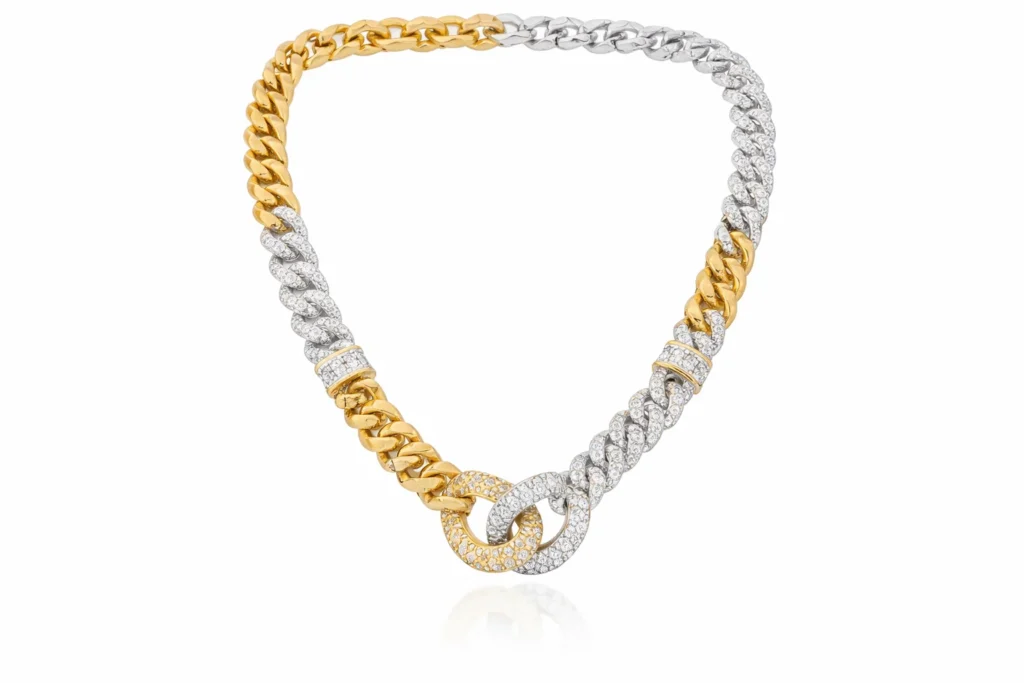
After casting, many designs require assembly: chain construction, multi‑part components, mixed‑metal accents, hinges, clasps, and more. Laser welding plays a central role at this stage.
Laser welding uses a concentrated beam as the heat source, creating very narrow, deep welds with minimal heat‑affected zones. This is particularly valuable for:
- Joining mixed metals in chains, bracelets, and pendants.
- Working near heat‑sensitive stones or components.
- Performing structural repairs or adjustments without removing stones.
Because the beam can be focused to spots as small as fractions of a millimeter, joints can be reinforced without visible discoloration or over‑polishing. This improves both durability and aesthetic consistency while avoiding the temper loss that can occur with traditional torch soldering.
TIG Welding for Deep, Structural Joints
TIG welding (Tungsten Inert Gas) complements laser welding in MJJ’s assembly toolkit, particularly for structural work on precious metals where deeper penetration and metal build‑up are required.
Using a non‑consumable tungsten electrode and an argon-shielded atmosphere, TIG creates a focused electric arc that can seamlessly join or add metal to platinum, palladium, gold, and silver components, delivering excellent weld density and strength.
It is especially effective for operations like ring sizing, rebuilding worn areas, reinforcing joints, and addressing porosity in castings—situations where a stronger, more substantial weld is needed than a micro‑laser pulse can provide.
While TIG is slower and more operator‑dependent than laser, its ability to deliver deep, continuous welds makes it a valuable option for high‑stress areas and repairs that must perform like solid metal over the lifetime of the piece.
Precision Laser Engraving
For branding, personalization, and compliance marks, MJJ uses computer‑controlled laser engraving systems. Vector‑based artwork, fonts, serial numbers, or imaging can be programmed directly from digital files, ensuring:
- Mathematically consistent layout and alignment.
- Sharp, permanent lines on flat, curved, or complex surfaces.
- Options for standard or darkened/blackened engraving effects.
This approach scales from single bespoke pieces to large private‑label programs with unique identifiers, barcodes, or traceability codes on each item.
Color & Surface Treatments: Enamel, Plating, Electroforming
Cold Enameling
For color accents, MJJ offers cold enamel, a two‑part resin system that cures at room or low temperatures while mimicking the glossy, vitreous look of fired enamel. Cold enamel:
- Combines a colored base with a catalyst that self‑levels into cells or recessed areas.
- Produces a durable, scratch‑resistant surface without requiring kilns or high‑heat firing.
- Can be applied over a broader range of substrates, including plated pieces, where traditional vitreous enamel would risk damaging previous process steps.
This is particularly advantageous for fashion and demi‑fine collections that need consistent, repeatable color blocks at scale.
Pantone-Accurate Color Matching and Custom Shade Mixing
For brands working with strict identity guidelines, MJJ can also match exact hues using Pantone references across enamels and plated finishes. Enamel colors are mixed against physical Pantone coated guides rather than on‑screen swatches, so a specified code translates into a repeatable, factory‑grade formula on the production floor. This allows creative teams to brief in highly specific shades—whether a signature brand teal, a seasonal fashion color, or a subtle off‑white—and have those tones reliably reproduced across multiple collections and reorders without visible drift over time.
Electroplating & Vermeil
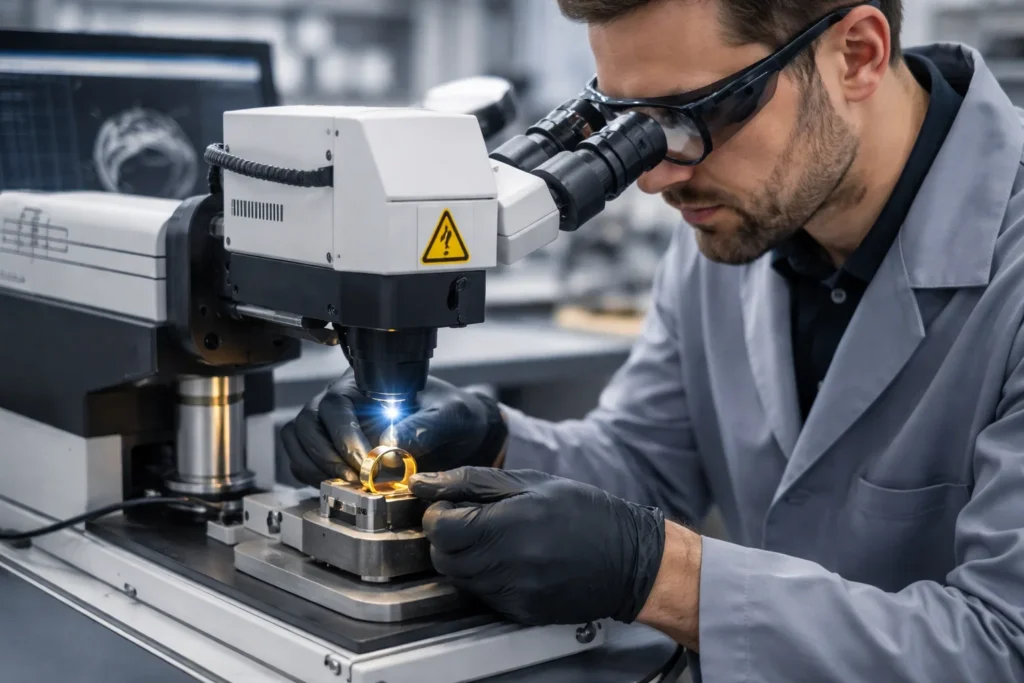
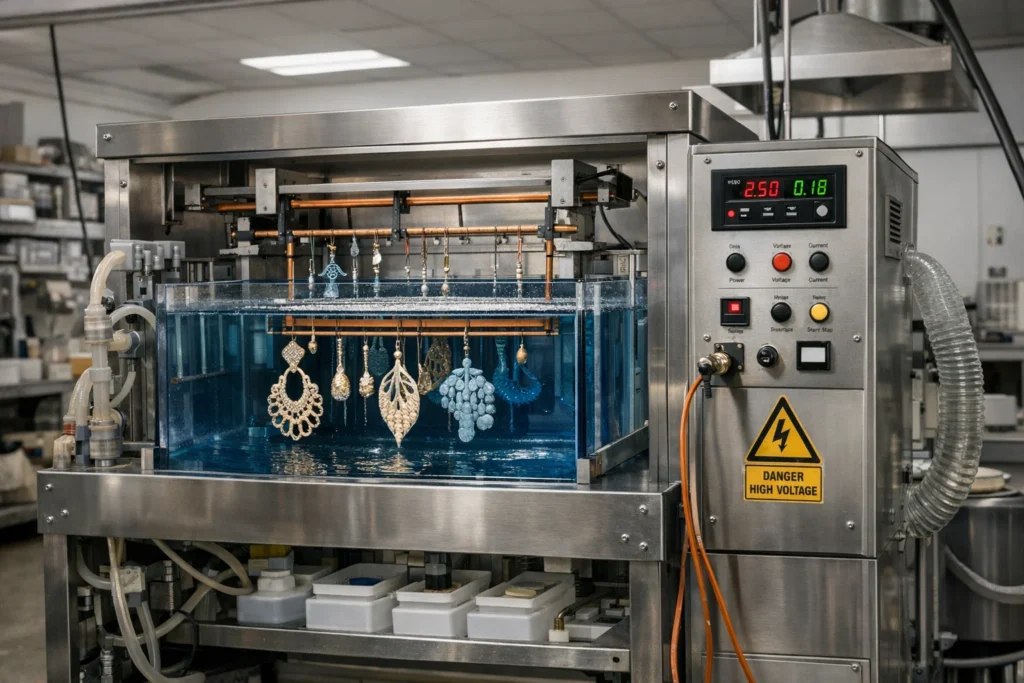
Electroplating is handled in a dedicated area of the facility, with large‑format tanks and specialist technicians managing everything from flash plating to heavy gold deposits. Typical services include:
- Rhodium plating for bright white finishes on silver or white gold.
- Hard gold plating in various thicknesses for fashion and demi‑fine.
- Vermeil configurations, where a sterling silver core is coated with a substantial layer of gold to meet recognized vermeil standards (commonly defined by minimum gold fineness and thickness over 2.5 microns).
Physical Vapor Deposition (PVD) plating is also used on finished stainless‑steel and select brass pieces, offering highly durable, color‑stable coatings well‑suited to men’s and fashion jewelry.
Electroforming
For large‑scale yet lightweight pieces, MJJ can employ electroforming. In this process, metal is deposited onto a prepared model through electrolysis to create hollow, detailed jewelry with significant volume but reduced weight. The underlying model (often wax or another removable substrate) is eventually removed, leaving a metal shell that:
- Enables bold, voluminous designs without the weight and metal cost of solid casting.
- Offers smooth, continuous surfaces and fine details that are difficult to achieve via stamping or traditional casting alone.
Electroforming is especially useful for statement earrings, oversized pendants, or sculptural forms where comfort and metal usage must be carefully balanced.
Ethical and Responsible Stone Sourcing
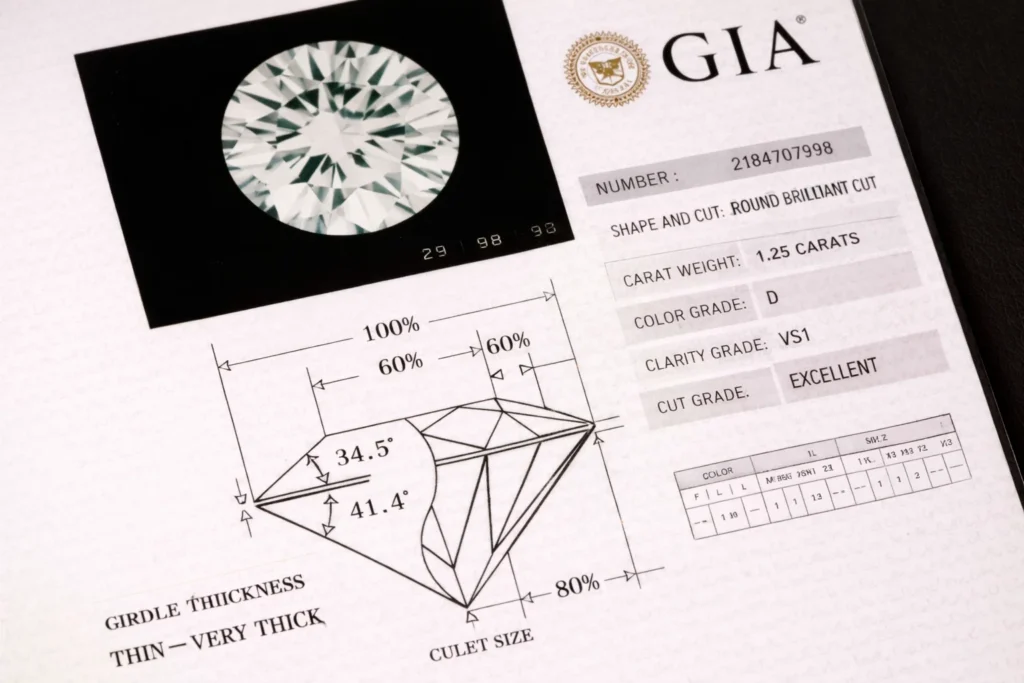
Custom programs frequently involve complex stone mixes—natural and lab‑created diamonds, colored gemstones, moissanite, and CZ. MJJ works with established, long‑term partners for both natural and lab‑grown materials, and supports certification through laboratories such as GIA, AGS, and IGI based on program requirements.
RJC certification and documented sourcing workflows help brands demonstrate due diligence on origin and ethical standards, which is increasingly critical in retailer onboarding and audit processes.
Setting, Finishing, Polishing & Lead Times
The final stages—stone setting, finishing, and polishing—are where engineering and craftsmanship converge.
MJJ’s bench strength includes more than 700 artisan jewelers, stone setters, polishers, and engravers, covering everything from precision casting cleanup to complex stone layouts. Jason points out: “People often discredit jewelry manufacturers and label us as ‘mass‑produced,’ but they miss how much is still hand‑controlled. Almost every stage requires focus, calculation, and real dexterity at the bench.”
The team executes a wide range of setting styles, including pavé, prong, bezel, channel, flush/gypsy, bead, illusion, and custom hybrids tailored to specific designs. Complex layouts, mixed stone sizes, and tight tolerances are managed through a combination of CAD planning and seasoned bench experience.
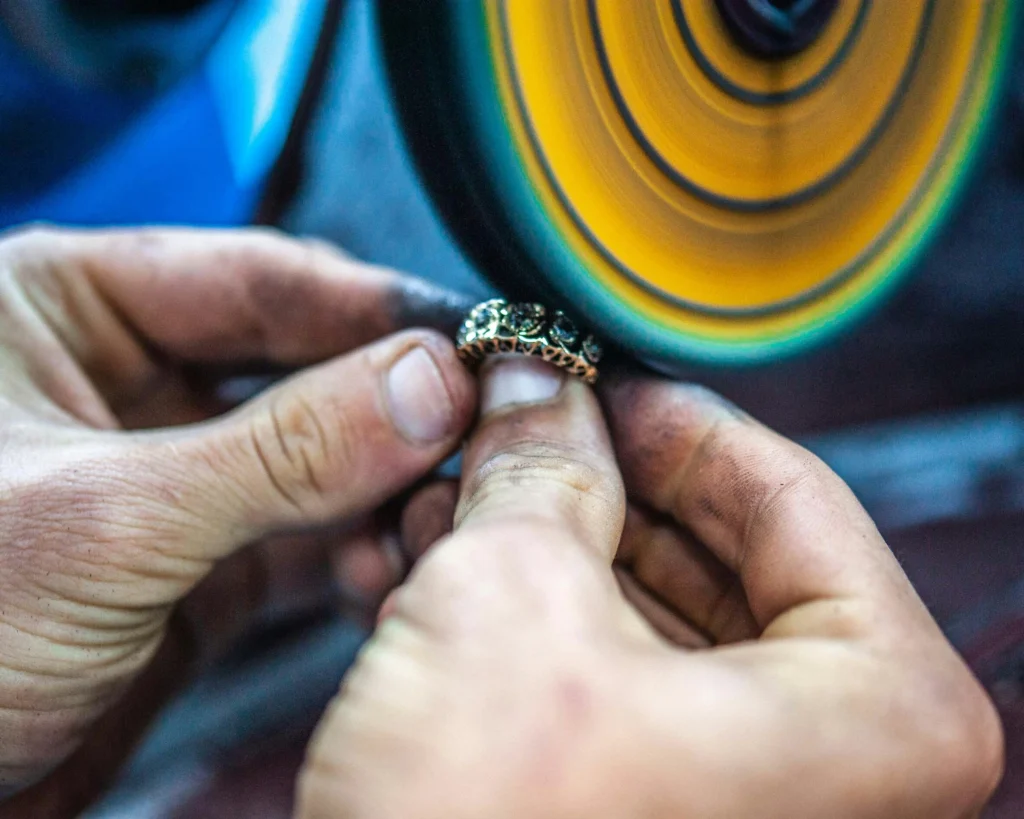
Finishing options typically include:
- Raw or unfinished prototypes for design approval.
- Tumble finishes for volume efficiency.
- Matte, sand blasting, satin, or brushed surfaces.
- High‑polish mirror finishes or combinations thereof.
Once designs, tooling, and sourcing are locked, many repeat‑order programs can run on 2–3 week production cycles, depending on complexity and volume. The no‑MOQ, made‑to‑order structure allows brands to:
- Launch new designs in controlled quantities.
- Replenish proven SKUs quickly.
- Avoid tying up capital in slow‑moving inventory while still supporting retailer lead‑time expectations.
Quality control checkpoints at each stage—casting, assembly, setting, finishing, and final inspection—ensure that every piece leaving the facility meets the agreed technical standard and brand specification.
Conclusion & CTA
Understanding the full custom jewelry manufacturing process is the key to choosing the right partner. From CAD and mold strategy to casting, assembly, surface treatments, and ethical sourcing, every decision along the way influences quality, lead time, and landed cost.
MJJ Brilliant’s RJC‑certified, no‑MOQ, made‑to‑order model is designed to give brands that control while keeping production consolidated under one roof.
If you are planning a new collection or reassessing your current supply chain, now is the time to map your concepts onto a concrete manufacturing plan. Start your production journey with MJJ Brilliant. Whether you’re seeking a private-label program, developing new collections, or evaluating a trusted partner for long-term growth, share your vision through our contact form. A member of our team will follow up to scope your project in detail.